[mxchat_chatbot floating="yes" bot_id="contentbot1"]
Screenshot-2024-01-12-11.10
Witch Store
Blog
Social Links
LogIn / LogOut
Shopping Cart

How to Set Up Your First Altar: Tools and Layout

If you have been wondering how to set up an altar, the good news is that there is no single correct way to do it. An altar is simply a dedicated space where you focus your intention, honor your path and practice. It can be a whole table or a small shelf. In this guide we will walk through choosing a spot, gathering essential tools and arranging everything in a layout that feels right to you.

What an Altar Is (and Is Not)

In Wicca and many witchcraft traditions, an altar is a working space and a focal point. Some people use it for ritual and spellwork, some for quiet meditation, and some for both. It is not a stage, and it does not need to look like a photo you have seen online. What matters is that it holds meaning for you.

Every path is different. Some practitioners follow a set tradition, while others build a personal practice over time. Both approaches are welcome here.

Step 1: Choose Your Space

Start with where the altar will live. Think about how you will actually use it.

  • Permanent or portable: A permanent altar stays set up. A portable one, such as a tray or box, can be tucked away if you share your home or want privacy.
  • Stable surface: Pick a table, dresser, shelf or windowsill that will not wobble, especially if you will use candles.
  • Quiet corner: Choose somewhere you can sit or stand comfortably without too many interruptions.
  • Direction: Some traditions face the altar toward a particular direction, often north or east. This is a custom, not a requirement.

Safety note: Keep your altar away from curtains, papers and anything flammable. If you have pets or small children, place candles, incense and herbs well out of reach.

Step 2: Gather Your Essential Ritual Tools

You do not need to buy everything at once. Many witches begin with just a few items and add more as their practice grows. Here are common ritual tools and what they traditionally represent.

Candles

Candles often stand for the God and Goddess, or simply for the element of fire and your focus. Many people use two or more. Always use a proper holder and never leave a flame unattended.

Bowl of Salt and Bowl of Water

Salt is traditionally linked with earth and water with, well, water. Together they are often used to represent grounding and cleansing.

Incense or Smoke Cleansing

Incense is commonly tied to air. If you use it, ventilate the room. People with asthma, allergies or sensitivities, as well as anyone who is pregnant, should check with a health professional and may prefer to skip smoke entirely.

Athame or Wand

These are used in some traditions to direct energy. A wand can be as simple as a fallen branch you have cleaned and chosen with care. An athame is typically not used for physical cutting.

Chalice or Cup

The chalice often represents water and the Goddess. A plain cup works beautifully. If you add herbs or drinks to ritual, be sure they are safe for you to handle and consume.

Pentacle

A five-pointed star within a circle is a common symbol of the elements and spirit. A flat disc, a plate or a drawn symbol on cloth can all serve.

Your Book of Shadows

A book of shadows is your personal record of spells, correspondences, dreams and lessons. Keeping it on or near your altar makes it easy to write down ideas straight after ritual. If you would like a lasting keepsake, you can browse handmade Books of Shadows.

Step 3: Arrange Your Altar Layout

There are many traditional layouts, but a simple and popular one looks like this:

  • Back center: a statue, symbol or image of your deity or of nature, if you work with one.
  • Left and right: candles representing the God and Goddess, or two candles for balance.
  • Center: a pentacle or a small working space for your spell items.
  • Front left: chalice or bowl of water.
  • Front right: incense or a dish of salt.
  • Nearby: your book of shadows, a pen and a small cloth.

Another approach is to arrange items by the elements: earth (a stone, plant or salt) in the north, air (a feather or incense) in the east, fire (a candle) in the south and water (a shell or bowl) in the west. This is a lovely way to bring the five elements into your space.

Step 4: Add Personal Touches

An altar becomes yours through the objects you choose to keep on it. Consider:

  • Crystals, shells, acorns or other natural finds
  • Seasonal decorations that echo the Wheel of the Year
  • A photograph or keepsake honoring an ancestor
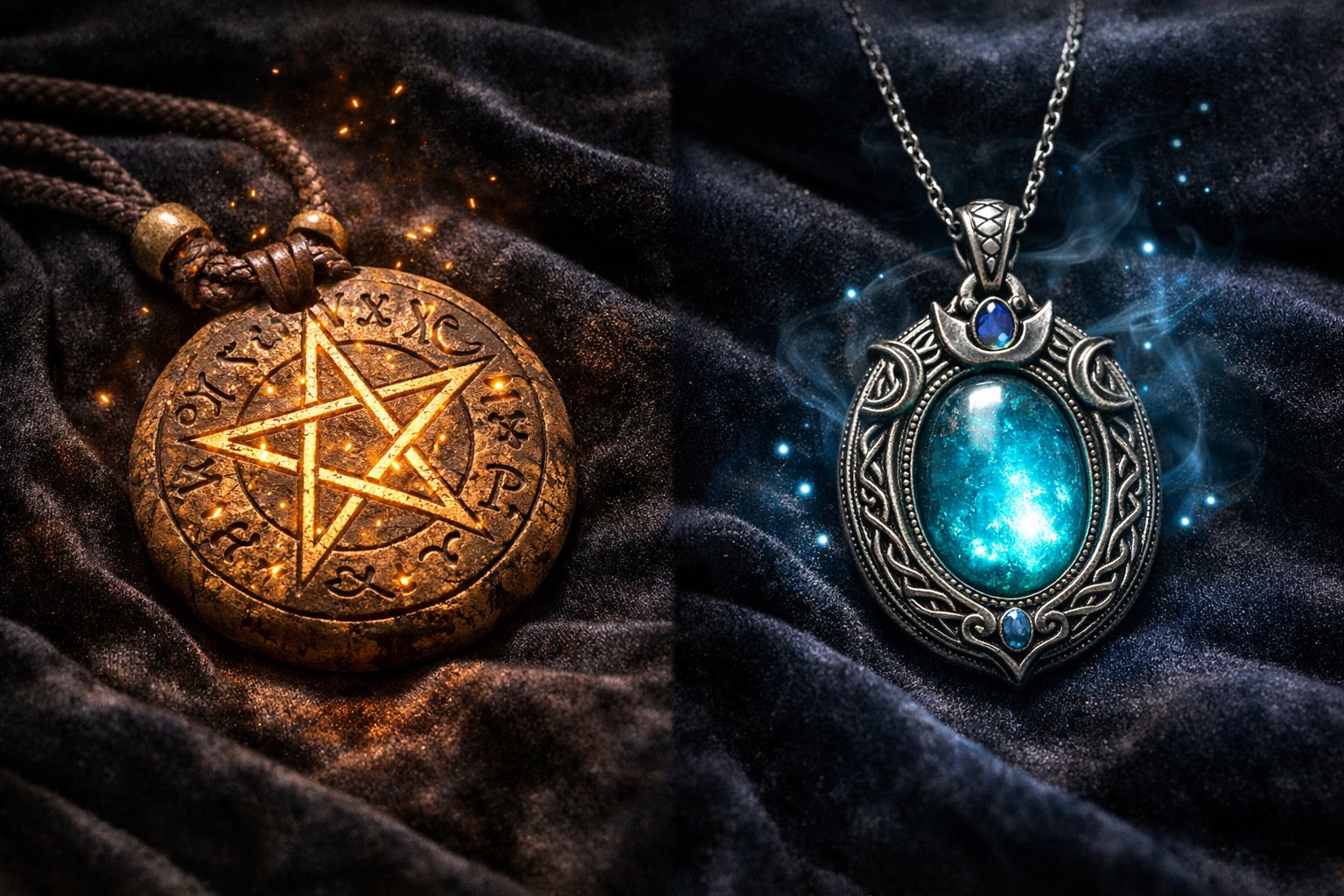
  • An amulet or talisman that has special meaning for you
  • A tarot or oracle card chosen for the day

Step 5: Cleanse and Dedicate Your Altar

Many practitioners cleanse a new altar before using it. Options include wiping it with a clean cloth, sprinkling a little salt water (test a hidden spot first, as salt can mark wood), passing a bell over it or simply setting a clear intention. You might then speak a few words aloud, light a candle and say what the space is for. Use your own words, since sincerity matters more than polish.

Keeping Your Altar Alive

Treat your altar as something that grows. Dust it, change it with the seasons and move items when they no longer feel right. Even a few quiet minutes each day, perhaps lighting a candle or pulling a card, can make the space feel connected to your life.

Ready to build your space? You are welcome to explore our witchcraft supplies whenever you feel called, and take your time. Your altar can begin with a single candle and a thoughtful heart.

Frequently Asked Questions

Do I need to buy special tools to start an altar?

No. Many people begin with items they already own, such as a candle, a bowl and a favorite stone. Add tools slowly as your practice develops and you learn what you actually use.

Where should I put my altar if I live with others?

A portable altar in a box or on a tray is a good option. You can also use a shelf, a bookcase corner or a windowsill, and keep it simple and discreet.

Can I use my altar for things other than spellwork?

Yes. Many people use their altars for meditation, journaling, gratitude and seasonal celebration. It is your space, so use it in the way that supports your personal practice.


Follow Rare Wiccan Spells: Facebook • Instagram • Pinterest • YouTube • eBay Store
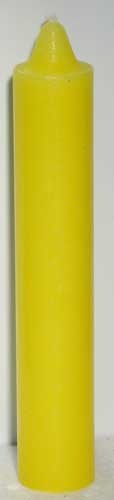
9-Inch Yellow Pillar Candle: Meaning and Ritual Uses

A yellow pillar candle is one of the most cheerful tools you can place on an altar. Our 9" Yellow Pillar Candle is tall and slender, shaped in a style similar to a taper candle, and it is meant to bring a sense of bright radiance and clarity to your sacred space or home. Here is what this kind of candle traditionally represents, how practitioners like to work with it, and what to think about before you choose one.

A tall yellow pillar candle lit on a wooden altar beside a feather and an open journal in soft sunlight

About the 9-Inch Yellow Pillar Candle

This candle stands nine inches tall and sits in our Pillar Candles collection. Its elegant, elongated form echoes a taper, yet it keeps the freestanding feel of a pillar. That height gives it a graceful presence on a shelf, windowsill or altar, where it can act as a visual focal point for your work.

The colour is the star here. Yellow is a vivid, sunny shade, and the candle is offered as a way to invite brightness and clarity into your candle magic.

What Does a Yellow Candle Mean in Candle Magic?

Colour associations vary between traditions, and there is no single rulebook. Still, yellow is commonly linked with a handful of themes:

  • Clarity of mind: thinking things through and seeing a situation plainly.
  • Communication: speaking, writing and sharing ideas.
  • Learning and focus: study, creative projects and mental energy.
  • Sunlight and optimism: warmth, joy and a lighter mood.
  • The element of Air: in many Wiccan systems, yellow corresponds to Air, the realm of thought and breath.

Some practitioners swap yellow for gold when working with solar themes, while others keep the two distinct. Follow the correspondences that feel true to your own path.

How People Traditionally Use a Yellow Pillar Candle

Because this candle is tall, it burns for a good stretch of time and suits slower, more reflective practices. Here are a few ways people commonly work with a candle like this.

Study and Journaling Rituals

Light it beside your book of shadows or grimoire when you want to research a new topic, copy out notes or write down reflections. Many people treat the flame as a signal to the mind that it is time to focus.

Air Element Altar Work

If you build an altar around the four directions or five elements, a yellow candle can stand in the east for Air. Pair it with a feather, incense holder or bell if those are part of your practice.

Decision-Making and Clarity Meditation

Sit quietly with the candle lit and think about a choice in front of you. Some people write their question on paper first and set it nearby. The ritual is a way to slow down and listen to your own thoughts, not a guarantee of any outcome.

Welcoming Brighter Energy

On a gloomy day, lighting a sunny candle can simply lift the mood of a room. Many witches enjoy this quiet, everyday use as much as any formal spell.

Who Is This Candle For?

  • Beginners building a first set of witchcraft supplies who want a versatile colour.
  • Experienced practitioners who like a tall candle for altar work or longer rituals.
  • Students, writers and creatives who want a focus ritual for their desk or workspace.
  • Anyone who enjoys decorating a sacred space with a warm, bright accent.

What to Know Before You Choose a Pillar Candle

Think about where you will place it and how you plan to use it. A tall, slim candle needs a stable, level holder that fits its base, so measure your candle plate or holder before you buy. Consider whether you want to burn it in one long session or in several shorter ones, and whether you would like to set an intention each time you light it.

Candle Safety Notes

  • Never leave a burning candle unattended, and keep it away from curtains, paper and other flammable items.
  • Place it on a heat-safe, stable surface well out of reach of children and pets.
  • Trim any wick before lighting and keep the flame out of drafts.
  • Extinguish it fully before leaving the room or going to sleep.
  • If you are sensitive to fragrance or smoke, or are pregnant, ventilate the room and check with a healthcare professional if you have concerns.

Bringing Clarity Into Your Practice

A simple yellow pillar candle will not do the work for you, but it can be a lovely anchor for your attention. Whether it stands on your altar, beside your journal or on a sunny windowsill, it offers a bright reminder to pause, think clearly and practise with intention.

Frequently Asked Questions

What is a yellow pillar candle used for?

Traditionally, yellow candles are used in rituals connected with clarity, communication, study, focus and optimism. They are also often linked with the element of Air.

How is this candle different from a regular pillar candle?

This 9-inch candle is shaped in a style similar to a taper, so it is taller and more slender than many standard pillars while still being a pillar candle.

Can beginners use a yellow candle in spellwork?

Yes. Yellow is an accessible colour to start with. Light it with a clear, simple intention, follow basic fire safety and adapt the correspondences to what feels meaningful to you.

See 9" Yellow pillar candle in the shop →


Follow Rare Wiccan Spells: Facebook • Instagram • Pinterest • YouTube • eBay Store

How to Pull a Single Tarot Card for Daily Guidance

Drawing a single tarot card each day is one of the simplest and most welcoming ways to build a relationship with your deck. It takes only a few minutes, needs no complicated spread, and gives you a small point of reflection to carry through your day. Whether you are brand new to tarot or have read for years, this quiet habit can sharpen your intuition and your sense of the cards.

Many practitioners treat the daily card as a conversation starter rather than a prediction. It offers a theme, a mood or a question to consider, and what you do with it remains your choice.

Why Pull a Single Tarot Card?

A one-card draw keeps things focused. Instead of juggling the positions and interactions of a large spread, you spend your attention on one image and let it speak.

  • It builds familiarity. Seeing cards often helps you learn their imagery and meanings naturally.
  • It is easy to keep up. A brief daily ritual is simpler to sustain than a long weekly reading.
  • It encourages reflection. One card invites you to pause and notice your thoughts and feelings.
  • It suits every level. Beginners and seasoned readers alike find it useful.

What You Will Need

Very little is required. Gather your deck, a notebook or journal, and a pen. Some people like to add a candle, a favorite stone or a cup of tea to set the mood.

If you do light a candle or burn incense, keep flames away from curtains and paper, never leave them unattended, and snuff them out fully when you finish. Smoke and scented items can bother people with allergies or asthma and may not suit homes with pets or anyone who is pregnant, so choose what is comfortable and well ventilated. The cards alone are perfectly enough.

How to Pull a Single Tarot Card Step by Step

1. Find a quiet moment

Morning works well for many readers, but any time you can pause is fine. Take a few slow breaths and let your shoulders drop.

2. Set an intention or question

Open-ended questions tend to work best. You might ask, "What should I be mindful of today?" or "What energy can I bring to my day?" Avoid questions that demand a yes or no, as the cards tend to be richer when asked for themes.

3. Shuffle in your own way

Shuffle however feels natural. Some people overhand shuffle, others spread the cards on a table and mix them. Stop when it feels right, since there is no required number of shuffles.

4. Draw the card

You can cut the deck and take the top card, fan the cards and choose one by feel, or let a card jump out as you shuffle. Place it face up in front of you.

5. Look before you look it up

Spend a minute simply observing. Notice the colors, the figures, the setting and your first emotional reaction. That immediate impression is often the most personal part of the reading.

6. Consult the meaning

Next, compare your impression with traditional meanings from a guidebook. If you are still learning the deck, our overview of the Wiccan and witchcraft books is a good place to find reference material that suits your style.

How to Read Your Daily Card

Think of the card as a lens rather than a rule. Ask yourself a few gentle questions:

  • What is the main feeling or theme of this card?
  • Where might this show up in my day, such as work, relationships or rest?
  • Does it suggest an action, an attitude or a caution?
  • What would it look like to work with this energy kindly?

If you draw a challenging-looking card, try not to fear it. Cards such as the Tower or Death are usually read as symbols of change and transformation, and many readers see them as invitations to prepare and reflect rather than as bad omens.

What about reversed cards?

Reversals are optional. Some readers use them to suggest an inner, blocked or softer version of a card's theme, while others read every card upright. Choose whichever approach feels clear to you and stay consistent for a while.

Keep a Tarot Journal

Writing down your card is where the practice really deepens. Record the date, the card, your first impression and, at the end of the day, anything that echoed it. Over weeks you may notice patterns in the cards that appear and in how you respond to them.

A dedicated notebook or your own handmade Book of Shadows can hold these entries alongside your other magickal notes, making a personal record of your growth as a reader.

Tips for a Steady Practice

  • Draw at about the same time each day to build a rhythm.
  • Do not redraw because you dislike the card. Sit with it and see what it offers.
  • Be gentle with yourself on busy days. A thirty-second glance still counts.
  • Treat the reading as guidance for reflection, not a guarantee of what will happen. Important decisions about health, money or legal matters belong with qualified professionals.

Explore More With Us

If you would like a deeper conversation than a single card can offer, you can explore online tarot readings or browse our shop for journals and tools to support your daily practice. We would love to be part of your journey, so wander in and see what calls to you.

Frequently Asked Questions

How often should I pull a single tarot card?

Once a day is the most common rhythm, but you can also draw weekly or whenever you want a moment of reflection. Choose a pace you can enjoy and keep up.

Can I use any tarot deck for a daily card?

Yes. Any deck that you feel drawn to will work. Many beginners choose a deck with clear, expressive imagery because it makes first impressions easier to read.

Should I pull the same card again if I do not understand it?

It is usually better to journal about it and revisit it later in the day. If the same card keeps appearing, many readers take that as a sign to look at the theme a little more closely.


Follow Rare Wiccan Spells: Facebook • Instagram • Pinterest • YouTube • eBay Store

Soy Votive Candle for Dreams: Herbal Scent and Ritual Uses

If you are looking for a small, simple candle to anchor your evening practice, a soy votive candle is a lovely place to start. Our Dreams soy votive candle comes ready to use in its own votive holder and is filled with one of our most popular herbal scented candles. Here is what we can tell you about it, how this kind of candle is traditionally used, and what to think about before you bring one home.

What Is the Dreams Soy Votive Candle?

This is a soy candle poured into a votive holder, so there is no need to hunt for a separate dish or cup. The holder stands about 2.5 inches tall and about 2 inches across, which makes it compact enough for a nightstand, a small altar, or a windowsill.

The scent belongs to our herbal range, which has proven to be a favorite with our customers. The listing also gives an approximate burn time, so please check the product page for that detail before you plan a longer ritual or a series of evenings.

Quick facts at a glance

  • Type: soy votive candle in a holder
  • Scent family: herbal
  • Size: about 2.5 inches high and 2 inches in diameter
  • Format: physical item, not a digital download

Why Votive Candles Hold a Special Place in Practice

Votives are small by design, and that is part of their charm. A little flame is easy to set up and easy to tend, and it suits short, focused moments of intention. Many practitioners keep a few on hand for quiet evenings, moon observances, or simply to mark the shift from the busy day to a calmer night.

In many candle traditions, a flame represents attention and presence. Lighting one is a gesture that tells your mind, this time is set aside. The candle does not need to be large to do that job.

The Dreams Theme: Evening and Reflection

The name of this candle points toward the night, and traditionally, the hours before sleep have been a favorite time for gentle reflection. People across many paths keep dream journals, and some like to light a candle while they write down the previous night's dreams or set an intention for the coming one.

We want to be clear that candle work is a personal practice. A candle can support a mood and a routine, but we do not promise any particular outcome, whether in dreams or elsewhere. Think of it as a companion for your ritual rather than a guarantee.

Ways to Use a Soy Votive Candle in Your Practice

Here are a few simple, traditional-style ideas. Adapt them freely to your own path.

  • Bedtime wind-down: Light the candle while you tidy your space, read, or breathe slowly, then extinguish it before you sleep.
  • Dream journaling: Keep the candle beside a notebook and light it as you record any images or feelings you recall from the night.
  • Small altar accent: Place it among your ritual tools or crystals as a focal point for meditation.
  • Moon-time reflection: Burn it briefly during a new or full moon check-in, writing down thoughts as they come.
  • Tarot or divination corner: Many people like a soft light and gentle herbal scent while they sit with cards or a journal.

Setting an intention

Before lighting, hold the candle for a moment and decide what the flame stands for. It might be rest, curiosity, or simply gratitude for the day. Say it aloud or silently, light the wick, and let the flame be a reminder while you go about your quiet time.

Who This Candle Is For

The Dreams votive is a good fit if you are new to witchcraft supplies and want an uncomplicated first candle. It also suits experienced practitioners who like to keep a handful of small candles ready for spontaneous rituals. If you enjoy herbal aromas and prefer a compact size, it is worth a look. If you are sensitive to fragrance, you may prefer an unscented candle instead.

What to Know Before Choosing a Votive

  • Size: At about 2.5 inches tall and 2 inches wide, it is small. It suits a nightstand or shelf, not a large ceremonial setup.
  • Scent: Herbal scents can be strong in a small room. Start with a short burn to see how you feel.
  • Burn time: Check the approximate figure on the product page and plan accordingly.
  • Holder: The candle is supplied in its votive holder, which keeps setup simple.

Safety notes

Please treat every candle with care. Never leave a flame unattended, and extinguish it before you sleep. Keep it on a stable, heat-safe surface away from curtains, paper, and anything flammable. Keep candles out of reach of children and pets, as some animals are especially sensitive to fragrance. If you are pregnant, have asthma or allergies, or are sensitive to scents, check with a healthcare professional and ensure good ventilation. Stop burning if you feel unwell.

Making It Part of a Wider Practice

A candle works best alongside habits you already enjoy. You might pair it with a journal, or with pages in your book of shadows where you record dreams, moon phases, and reflections over time. Over weeks, those notes can reveal patterns that feel meaningful to you.

Whether you are exploring wicca for beginners or have practiced for decades, a soy votive candle is a humble, flexible tool, and the Dreams votive offers a gentle herbal start for your evening ritual.

Frequently Asked Questions

What size is the Dreams soy votive candle?

The votive holder is about 2.5 inches high and 2 inches in diameter, making it a compact candle for small spaces.

What does the Dreams candle smell like?

It belongs to our herbal scented range, one of our most popular. Individual noses vary, so if you are scent-sensitive, begin with a short burn in a ventilated room.

Can I burn it while I sleep?

No. For safety, never leave a candle burning unattended or while you sleep. Enjoy it during your bedtime routine, then extinguish it fully before you rest.

See Dreams soy votive candle in the shop →


Follow Rare Wiccan Spells: Facebook • Instagram • Pinterest • YouTube • eBay Store

Leather Blank Book with Wolves and Tree of Life

A good leather blank book can become the heart of a magical practice. Our Wolf & Tree of Life leather blank book with latch is a sturdy, handsome journal with 240 unlined pages, ready for whatever you wish to record. Below we look at what makes it special, who it may suit, and what to consider before choosing a journal like this.

What Makes This Leather Blank Book Stand Out

The first thing you notice is the front cover. It is tooled and embossed with a central Tree of Life, and at the base of its trunk a pair of howling wolves. An arch is embossed above the tree, with Celtic knot patterns bordering the top corners and a pentacle at the very top center.

The back cover carries an embossed diagonal design. Along the spine edge you will find decorative leather cross-stitching, and a solid bronze-colored metal latch holds the book closed so its pages stay protected.

Key Details at a Glance

  • Material: leather with tooled, embossed artwork
  • Size: 5 inches by 7 inches
  • Pages: 240 blank, unlined pages
  • Closure: solid bronze-colored metal latch
  • Format: a physical book, not a digital download

The Symbolism on the Cover

Many practitioners choose a journal because its imagery speaks to them. Here is how these symbols are often understood in general terms, though your own meaning matters most.

Tree of Life

The Tree of Life appears in many cultures as a symbol of connection between earth, sky and the underworld, and of growth and continuity. In witchcraft it is often used as a reminder of how all things are linked.

Wolves

Wolves are commonly associated with instinct, loyalty, the pack and the moon. A howling wolf is a popular image among those who feel drawn to lunar work or to wild, nocturnal energy.

Celtic Knots and the Pentacle

Celtic knotwork is often read as a symbol of interwoven paths and continuity, since the lines have no beginning or end. The pentacle is a widely used emblem in Wicca, often connected with the five elements of earth, air, fire, water and spirit.

How Practitioners May Use It

Because the pages are unlined, you can write, sketch, draw sigils or map out charts without a printed grid in the way. Some ideas include:

  • A handmade book of shadows for rituals, correspondences and personal reflections
  • A grimoire for wiccan spells you have written or adapted yourself
  • A moon journal tracking phases, dreams and observations
  • A tarot diary for daily draws and spreads
  • A record of seasonal celebrations and sabbat notes

If you are new, our post on starting a book of shadows offers page ideas that pair well with a blank journal like this one. There is no single correct way to keep a magical book, and many people simply begin with what feels meaningful.

What to Know Before Choosing

A few practical thoughts may help you decide whether this book suits you:

  • Size: at 5 by 7 inches it is compact enough to carry yet roomy enough for a personal practice. If you like large diagrams, you may prefer a bigger format.
  • Unlined pages: these are wonderful for art and free-form notes, though some writers prefer lines for neatness.
  • Ink choice: test your favorite pen on a back page first, since different inks behave differently on different paper.
  • Care: keep leather away from damp conditions and direct heat. If you plan to burn candles or incense nearby, keep flames and smoke well away from the book, and never leave a flame unattended. Some people are sensitive to leather or to the herbs and oils used in ritual, so consider allergies, pets and children in your space.

Who Is This Journal For?

This book may appeal to Wiccans, eclectic witches, pagans and anyone who loves nature symbolism. It could also be a thoughtful gift for a fellow practitioner, or a lovely way to mark the start of a new chapter in your craft. If you are exploring witchcraft supplies, a well-made journal is one of the most personal ritual tools you can own, since it fills with your own words over time.

Choosing a leather blank book is ultimately a matter of what inspires you to open it and write. Its imagery, latch and generous page count make this one a fitting companion for a lasting magical record.

Frequently Asked Questions

How many pages does this book have?

It contains 240 blank, unlined pages, giving plenty of room for spells, notes, drawings and reflections.

What size is the journal?

It measures 5 inches by 7 inches, a handy size for both home use and carrying with you.

Can I use it as a book of shadows?

Yes, many practitioners use a blank leather journal as a book of shadows or grimoire. It is a personal choice, and you can fill it in whatever way suits your path.

See Wolf & Tree of Life leather blank book w/ latch in the shop →


Follow Rare Wiccan Spells: Facebook • Instagram • Pinterest • YouTube • eBay Store

Major Arcana Explained: A Beginner’s Guide to the 22 Cards

If you have ever pulled a card like The Tower or The Star and wondered why it felt so weighty, you have met the Major Arcana. This guide has the Major Arcana explained in plain language: what these cards are, how they are organised, and how to begin working with them in your own practice.

What Is the Major Arcana?

A standard tarot deck holds 78 cards, split into two parts. The Minor Arcana has 56 cards across four suits and tends to reflect everyday events and moods. The Major Arcana has 22 cards, numbered 0 to 21, and is usually read as the big themes of a life: turning points, lessons, archetypes and long-running patterns.

The word arcana comes from a Latin root meaning secrets or mysteries. Many readers treat these cards as a symbolic language for reflection rather than a way to predict a fixed future. That is how we present them here: as a tradition and a tool for personal insight.

The Fool's Journey: A Story in 22 Steps

A popular way to learn these cards is the Fool's Journey. The Fool (card 0) begins as an innocent traveller and meets each following card as a stage of growth, ending with The World. Reading the cards as a story makes them far easier to remember than memorising 22 separate meanings.

Cards 0 to 7: Beginnings and Building the Self

  • The Fool (0): new starts, curiosity, a leap of trust.
  • The Magician (1): willpower, skill and using the tools you have.
  • The High Priestess (2): intuition, mystery and inner knowing.
  • The Empress (3): nurturing, abundance, creativity.
  • The Emperor (4): structure, authority, boundaries.
  • The Hierophant (5): tradition, teaching, shared belief.
  • The Lovers (6): choices, values and relationships.
  • The Chariot (7): determination and direction.

Cards 8 to 14: Testing and Reflection

  • Strength (8): quiet courage, patience, compassion.
  • The Hermit (9): solitude, searching, inner guidance.
  • Wheel of Fortune (10): cycles, change and timing.
  • Justice (11): fairness, cause and effect, honesty.
  • The Hanged Man (12): pause, surrender, a new perspective.
  • Death (13): endings and transformation, rarely literal.
  • Temperance (14): balance, blending, moderation.

Cards 15 to 21: Shadow, Release and Completion

  • The Devil (15): attachments, habits and what binds us.
  • The Tower (16): sudden change and fallen illusions.
  • The Star (17): hope, renewal, quiet inspiration.
  • The Moon (18): dreams, uncertainty, the subconscious.
  • The Sun (19): joy, clarity, vitality.
  • Judgement (20): reflection, awakening, a call to renew.
  • The World (21): completion, integration, a cycle closing.

How to Read Major Arcana Cards

When several Major Arcana cards appear in one spread, many readers take it as a sign that the question touches something significant. A few simple habits help:

  • Start with one card. Draw a single card each morning and note how it speaks to your day.
  • Look before you look up. Describe the colours, figures and symbols first, then check a guidebook.
  • Consider reversals gently. A reversed card may suggest an inward, blocked or delayed expression of the theme. Reading upright only is perfectly valid.
  • Keep the meaning open. Death rarely means literal death, and The Devil is more about patterns than evil.

Keep a Tarot Journal

Write down each card you draw, your first impression and what happened afterwards. Over a few months you will build a personal vocabulary that no book can give you. Many practitioners keep this in a notebook or alongside their handmade Books of Shadows, and a dedicated section for tarot is a lovely addition.

A note on ritual setup: if you like to read by candlelight or with incense, never leave flames unattended, keep them away from your cards and paper, and consider allergies, pets and anyone who is pregnant before burning smoke or resins. Tarot is for reflection and inspiration, and it is not a substitute for professional medical, legal or financial advice.

Learn More and Explore

If you would like a guided perspective, you can explore online tarot readings, or browse Wiccan and witchcraft books for deeper study. We would love for you to wander through the shop and find what speaks to your path.

Frequently Asked Questions

How many cards are in the Major Arcana?

There are 22, numbered 0 (The Fool) to 21 (The World). Some decks swap the order of Strength and Justice, so check your deck's numbering.

Should beginners learn the Major Arcana first?

Many people do, because the cards have strong imagery and a clear storyline. Others begin with the whole deck. Either approach works, so follow your curiosity.

Does a Major Arcana card always mean something big?

Not necessarily. These cards often point to a significant theme, but how it shows up depends on your question, the surrounding cards and your own intuition.


Follow Rare Wiccan Spells: Facebook • Instagram • Pinterest • YouTube • eBay Store

Start a Book of Shadows: First Steps and Page Ideas

If you want to start a Book of Shadows, you are joining a long tradition of keeping a personal record of your craft. A Book of Shadows is simply a witch's own journal or grimoire, a place for spells, rituals, correspondences, dreams and reflections. There is no single correct way to make one, and you do not need expensive materials to begin. This guide walks you through the basics in plain language.

What Is a Book of Shadows?

In many Wiccan and witchcraft paths, a Book of Shadows is a working notebook of your practice. Some traditions pass down shared texts within a coven, while many solitary practitioners build their own from scratch. You may also hear the word grimoire, which is often used for a book of spells and magical knowledge. Many modern witches use the two terms loosely, and some keep both: a Book of Shadows for personal practice and a grimoire for reference.

What matters is that it is meaningful to you and useful in your practice.

Before You Begin: Choose Your Format

The first decision is what kind of book to use. Each option has its own charm.

  • A bound blank book or journal: Feels special and permanent, but mistakes are harder to fix.
  • A three-ring binder: Lets you add, remove and reorder pages as your practice grows. Many beginners find this the most forgiving choice.
  • A digital document or app: Easy to search and back up, though some people miss the tactile feel of pen on paper.
  • A handmade or custom book: A lovely choice if you want something crafted with intention. You can browse handmade Books of Shadows for inspiration.

Many people begin with a simple binder or notebook and move their favorite pages into a finer book later. This is a very common and sensible approach.

How to Start a Book of Shadows in Five Steps

1. Set your intention

Take a quiet moment and ask yourself what you want this book to be. A record of learning? A spell workbook? A spiritual diary? Write a sentence or two on the first page. You might also add a dedication or a short opening blessing in your own words.

2. Decide on a simple structure

You do not need a perfect system, but a few sections help you find things later. Common sections include:

  • Moon phases and the Wheel of the Year
  • The elements and the directions
  • Correspondences for herbs, crystals, colors and candles
  • Spells and rituals you have tried or want to try
  • Divination notes, including tarot spreads and dream records
  • Personal reflections and lessons learned

Leave a few blank pages between sections so you have room to grow.

3. Write your first entries

Start with what you already know or are currently learning. Good first pages include a note on your path and why you are drawn to it, the date and moon phase of your first entry, and a summary of one concept you studied this week. If you are new to the path, notes from your reading on Wicca for beginners make a wonderful foundation.

4. Record your workings in a consistent way

When you perform a ritual or spell, note down the date, moon phase, your purpose, the tools you used, the steps you followed and how it felt. Later, add what you observed. Treat these as personal records of your practice rather than guarantees of outcomes. Over time, you will see patterns in what resonates with you.

5. Make it yours

Add sketches, pressed leaves, symbols you love, or a personal sigil. Some witches write in a special script or ink; others prefer clean, clear handwriting. If you want ready-made layouts to tuck into a binder, printable spell pages can save time, and you can look at the free spell downloads to try a few first.

Tips for Keeping It Going

  • Write in pencil first if you worry about mistakes, then copy the final version in ink.
  • Cite your sources. Note where a spell or correspondence came from, so you can revisit it. Write your own versions in your own words rather than copying books word for word.
  • Keep it private if you wish. Your book is personal, and you can decide who sees it.
  • Review it each season. Reading older entries shows you how far you have come.

A Gentle Safety Note

Many spells involve candles, herbs, incense or oils. Never leave a burning candle unattended, keep flames away from your book and other flammable items, and use a heatproof holder. Some herbs and essential oils can irritate skin or trigger allergies, and some are unsafe for pets, children or during pregnancy. Research any ingredient carefully, and check with a qualified professional if you have health concerns. When recording a working in your book, noting your safety precautions is a good habit too.

There Is No Wrong Way to Begin

Perfectionism stops many people from starting. Your first pages do not need to be beautiful or profound. When you start a Book of Shadows, you are simply beginning a conversation with your own practice, and it will grow with you. Fill it slowly, revise it often and let it reflect who you are.

If you would like some help along the way, we invite you to explore our shop for tools, books and pages to support your journey.

Frequently Asked Questions

Do I need to buy a special book to start?

No. A simple notebook or binder works well. Many practitioners start plain and later transfer their favorite entries into a more decorative book.

What should I write on the very first page?

Many people write a dedication, their name or craft name, the date, and their intention for the book. Others begin with a short blessing or a quote they wrote themselves.

Is a Book of Shadows the same as a grimoire?

They overlap. A Book of Shadows is often a personal journal of practice, while a grimoire is traditionally a collection of spells and magical knowledge. Many modern witches use the terms interchangeably.


Follow Rare Wiccan Spells: Facebook • Instagram • Pinterest • YouTube • eBay Store

Essential Book of Tarot by Alice Ekrek: A Beginner’s Guide

Plenty of us have been there: a brand-new tarot deck sits on the shelf, the cards are beautiful, and yet the meanings feel out of reach. If you are searching for a tarot book for beginners that explains things plainly, the Essential Book of Tarot by Alice Ekrek is a hardcover guide worth a closer look.

What Is the Essential Book of Tarot?

This is a clear, approachable introduction to tarot. It explores the history of the cards and then walks the reader through how to actually use them. It is a full-color hardcover of 160 pages, measuring 5.5" x 6.5", so it is compact enough to keep beside your deck or tuck into a bag.

The book belongs to a series covering classic Mind, Body, Spirit subjects. It is a physical book, not a digital download, which many readers prefer for tarot. You can rest it open on the table while you lay out cards, flip back to a page, and make notes in your journal alongside it.

Who This Book Is For

The guide is written especially for anyone who owns a pack of tarot cards at home but feels unsure how to interpret them or where to begin. It may suit:

  • New readers who want a friendly starting point rather than a dense reference work.
  • Gift buyers looking for something thoughtful for a friend who has just picked up a deck.
  • Self-taught readers who would like to fill gaps, especially around spreads and timing.
  • Journal keepers who enjoy pairing a guidebook with their own notes and reflections.

What You Can Learn Inside

The history of the cards

Understanding where tarot came from can make the imagery feel less mysterious. The book opens up the background of the deck so you can see the cards as part of a long and evolving tradition.

A variety of spreads

A spread is simply a layout that gives each card position a particular focus. The book introduces several ways to practice, including:

  • A Relationship spread, for reflecting on connections with other people.
  • The traditional Celtic Cross, one of the best-known layouts in tarot.
  • A more modern Astrological spread, which brings the zodiac into your reading.

Trying different layouts is a lovely way to learn how the same cards can speak in different ways depending on where they fall.

Timing and reversed cards

Once you are comfortable with the basics, the book offers more detailed analysis by showing how timing and reversed (upside-down) cards work. Reversals are a topic many beginners find intimidating, so having them explained in an accessible way can be a real help. Some readers choose to use reversals and some do not; the choice is part of your personal practice.

How Readers Traditionally Use a Tarot Guide

Tarot has long been used as a tool for reflection, storytelling and intuition. A guidebook is usually a companion rather than a rulebook. Many people:

  • Pull a single card each morning and read about it before writing down their thoughts.
  • Practice one spread at a time until it feels natural.
  • Compare the book's explanations with what the images suggest to them personally.
  • Record readings in a journal or Book of Shadows to notice patterns over time.

Remember that tarot is a practice of interpretation, not a guarantee of any outcome. Treat a reading as food for thought and trust your own judgment when making decisions about your life.

What to Know Before Choosing a Tarot Guide

  • Size and format: This one is a small hardcover, which is handy for portability and for keeping with your deck.
  • Your learning style: If you like clear explanations and a mix of spreads, a general guide like this can be a comfortable fit.
  • Your deck: Most guides work with a range of decks, but imagery varies, so let your own cards inform what you read.
  • Your goals: Whether you want to read for yourself, friends, or simply understand the symbolism, a beginner-friendly book gives you a foundation to build on.

A small care note: if you like to set a calm scene for readings with candles or incense, keep flames away from your cards and book, never leave them unattended, and check that any smoke or scents are suitable for people and pets in the room.

A Gentle Place to Start

Learning tarot is a journey, and the best tarot book for beginners is the one that makes you want to sit down with your cards. With its mix of history, spreads and explanations of timing and reversals, the Essential Book of Tarot aims to turn a confusing deck into a conversation. Whether you are new to the cards or returning to them, it can be a friendly companion.

Frequently Asked Questions

Is this book suitable for complete beginners?

Yes. It is described as a clear and accessible guide, written for people who have a deck but are not sure what the cards mean or how to use them.

Does it include tarot spreads?

It covers several, including a Relationship spread, the traditional Celtic Cross and a modern Astrological spread.

Is it a physical book or a digital download?

It is a physical hardcover with 160 pages in full color. It is not a digital download.

See Essential Book of Tarot (hc) by Alice Ekrek in the shop →


Follow Rare Wiccan Spells: Facebook • Instagram • Pinterest • YouTube • eBay Store

The 5 Elements of Wiccan Practice | Earth, Air, Fire, Water & Spirit Explained


Discover the five elements of Wicca — Earth, Air, Fire, Water, and Spirit — and how they shape every part of your witchcraft practice. This beginner-friendly guide breaks down each element’s energy, symbolism, correspondences, altar placement, and role in spellwork.

In this video:
• What the 5 Wiccan elements represent
• Elemental correspondences (colors, tools, directions)
• How to use elemental energy in spells & rituals
• How Spirit unifies the four physical elements
• Daily ways to work with elemental magick


Spiritual Awakening Toolkit — Free PDF Download
 
Bonus Gift:


Before you go, download your FREE Home Protection Checklist at https://RareWiccanSpells.com

— a powerful printable guide to strengthen your home’s spiritual defenses using traditional witchcraft methods.


“The Secret Spirit Spells Grimoire” Lost Wiccan Spellbook Finally Revealed!

Step inside The Secret Spirit Spells Grimoire, the first public release of Psychic Bob Hickman’s private spirit‑spell archive — expanded, restored, and beautifully formatted by Lady Angela of RareWiccanSpells.com.

This heirloom‑quality grimoire contains 10 powerful spirit spells, including:
The Silver Arrow
The Golden Arrow
The Black Mirror Invocation
The Spirit Rap
The Purple Cord Blessing
…and more rare workings never before available to the public.

Crafted with intention, this grimoire blends spirit magick, protection rites, invocation techniques, sigils, charms, and energy‑workings into a single sacred volume designed for witches, mystics, and spirit‑workers of all paths.


CLICK HERE to Order The Secret Spirit Spells Grimoire


CLICK HERE to Discover more Rare Spells & Magical Books

Whether you’re deepening your spirit‑communication practice, building your Book of Shadows, or collecting rare magical texts, this grimoire is a powerful addition to your craft.

#witchcraft #grimoire #bookofshadows #wicca #spiritmagick #psychicbob #spellbook #rarewitchcraft #magicaltools #wiccanbooks #heirloomgrimoire

Scroll to Top