
[mxchat_chatbot floating="yes" bot_id="contentbot1"]
Screenshot-2024-01-12-11.10
Witch Store
Blog
Social Links
LogIn / LogOut
Shopping Cart

Crystals in Magickal Practice: Tradition and Symbolism

Stones have been carried, buried, worn and treasured for as long as people have told stories about the world. If you are curious about crystals in magickal practice, you are stepping into a very old conversation between humans and the earth. This guide explores where those traditions come from, what common stones are said to symbolize, and how you might begin working with them in your own way.

A quick note before we begin: the meanings below come from folklore, tradition and personal practice. They are not scientific claims, and no stone can promise a particular outcome. Think of them as a language of symbols you can explore and make your own.

Why Stones Matter in Magick

In many Wiccan and witchcraft paths, stones are linked to the element of Earth. They are solid, patient and ancient, which makes them natural symbols of grounding, stability and endurance. Each stone also has its own colour, texture and character, so it can act as a focus for a specific intention.

Practitioners often describe crystals as anchors for attention. Holding a stone while you set an intention gives your mind something tangible to return to, much like lighting a candle or opening a journal.

A Brief Look at the Traditions

People across many cultures have used stones as charms and adornments. Ancient peoples around the Mediterranean and the Near East carved gems into seals and protective ornaments. Folk traditions in Europe passed down stories about stones worn for luck or safeguarding. Modern witchcraft has gathered these threads, along with newer practices, into a flexible tradition where stones appear on altars, in jewellery, in pouches and within spellwork.

Because these ideas come from so many places, you will find that different books and teachers sometimes disagree about a stone's meaning. That is normal. Your own experience and research matter just as much as any list.

Common Stones and Their Traditional Symbolism

Here are some widely used stones and the associations many practitioners connect with them:

  • Clear quartz: clarity, amplification and focus. It is often used as an all-purpose stone.
  • Amethyst: intuition, calm and spiritual awareness, often placed near dream or meditation work.
  • Rose quartz: self-love, gentleness and heart-centred connection.
  • Black tourmaline: protection and boundaries, commonly set near doorways or carried in a pocket.
  • Citrine: optimism, creativity and abundance in a general sense.
  • Moonstone: lunar energy, cycles and inner reflection.
  • Hematite: grounding and steadiness.

Colour as a Guide

If you are unsure where to start, colour is a lovely entry point. Many witches match stones to candle colours or the chakras, so a green stone might sit with prosperity or growth intentions, while a blue one supports communication or peace. Matching colour to purpose is a simple, intuitive method that works well for beginners.

Ways to Work With Stones

There is no single correct method. Some common approaches include:

  • Carrying: keep a small tumbled stone in a pocket or pouch as a reminder of your intention.
  • Altar placement: use stones to mark the elements, the quarters or the season on your altar.
  • Meditation: hold a stone and focus on its weight, temperature and colour while you breathe slowly.
  • Grids: arrange several stones in a pattern around an intention or photo of a goal. If this appeals to you, our post on crystal grids goes deeper.
  • Jewellery and charms: wear a stone as a quiet personal symbol. You can browse amulets and talismans for ideas on how stones and symbols are combined.

Choosing and Caring for Your Stones

Many practitioners say the best stone is the one you feel drawn to. Some like to cleanse a new stone before use, for example by resting it with moonlight, placing it on a windowsill, or passing it through incense smoke. Others simply hold it and set an intention. Both approaches are valid.

Safety notes: some stones are fragile, and some contain minerals that should not be placed in water or ingested, so research a stone before making crystal water or bathing with it. Never leave stones in direct strong sunlight where they could fade or focus heat onto flammable items. If you use incense or smoke, keep a window open and be mindful of allergies, asthma, pets and pregnancy. Keep small stones away from young children and animals. If you are unsure about anything, check with a qualified professional.

Keeping Track of What Works for You

One of the most rewarding habits is to record your experiences. Note which stone you used, the date, the moon phase and what you noticed. Over time, you will build your own personal reference, which is often more meaningful than any printed list. A handmade Book of Shadows makes a lovely home for these notes, and it can grow with your practice.

Ethical and Mindful Sourcing

It is worth thinking about where your stones come from. Many people prefer to buy from sellers who are transparent about their sourcing, or to pick up stones they find themselves on walks, where it is permitted. Treating stones with respect, and not collecting from protected places, is part of honouring the Earth they come from.

Begin Gently

You do not need a large collection to start. One or two stones that speak to you, a little curiosity and a notebook are plenty. Let your understanding deepen at its own pace, and trust your own sense of what feels meaningful.

When you are ready to build your practice, we invite you to explore our witchcraft supplies and the rest of the shop, and find the tools that suit your path.

Frequently Asked Questions

Do I need to cleanse my crystals?

Not necessarily. Many witches cleanse stones as a ritual of renewal, using moonlight, salt in a dry dish, or smoke, while others skip it entirely. It is a personal choice, so do what feels right and is safe for the particular stone.

Which crystal is best for beginners?

Clear quartz, amethyst and rose quartz are popular starting points because they are easy to find, versatile and widely written about. Choose whichever one you feel drawn to.

Are crystals required in Wicca?

No. Stones are optional tools. Some practitioners use them daily, while others prefer candles, herbs or simply their own focus and voice.


Follow Rare Wiccan Spells: Facebook • Instagram • Pinterest • YouTube • eBay Store
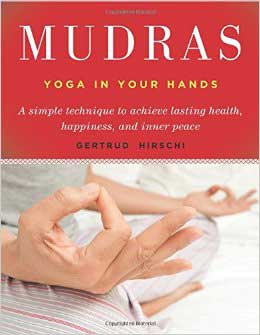
Mudras Book: Hand Positions for Energy and Calm

Your hands are always with you, which makes them one of the most convenient tools for mindful practice. If you have been searching for a mudras book to help you start, Mudras, Yoga in Your Hands by Gertrude Hirschi is a title worth a look. It is a physical book, not a digital download, so you can keep it on your altar shelf, by your meditation cushion or next to your bed.

Illustration of hands held in a calm meditation pose beside an open book and smooth stones in warm light

What Is Mudras, Yoga in Your Hands?

This book draws on a traditional Eastern approach to wellbeing. It describes specific positions for the hands and fingers, known as mudras. According to the book's description, these positions are intended to help you recharge your personal energy reserves and ease the everyday strain of stress and anxiety.

We want to be clear about how we present this. Mudras are a traditional practice, and the book offers them as a path to explore. They are not a medical treatment, and nobody can promise a particular result. Think of the book as a gentle guide to a contemplative habit, not a replacement for professional care.

What Are Mudras, in Plain Language?

A mudra is a symbolic gesture made with the hands and fingers. Mudras appear in yoga, meditation and several Eastern spiritual traditions, where each position is held with steady breathing and quiet attention. The idea behind them is that small, deliberate gestures can help focus the mind and shift how we feel in the moment.

You do not need special equipment, a large space or a lot of time. That simplicity is a big part of their appeal.

Why Choose a Mudras Book for Daily Practice?

You can find hand gestures described in many places, but a dedicated book gives you something steadier to return to. A few reasons people reach for one:

  • Clear reference. You can look up a position again whenever you want to repeat it, rather than trying to remember it from a video.
  • Screen-free time. Practising with a book in hand makes it easier to put your phone away and be present.
  • Gradual learning. You can try one gesture at a time and see how it fits into your routine.
  • Portability. Hand positions can be practised sitting at a desk, on a train or before sleep.

Who This Book Is For

This title may suit a few kinds of readers:

  • Yoga and meditation students who want to add a hands-on element to their sessions.
  • Busy people looking for short, quiet moments to pause and recentre during the day.
  • Curious beginners who like the idea of energy work but want something simple and non-intimidating.
  • Witches, Wiccans and Pagans who enjoy exploring how gesture, breath and intention work together.

Mudras and a Magickal Practice

Many practitioners already know that the hands matter in ritual. We raise them to call the quarters, trace symbols in the air, and place them on stones or tools to focus our intention. Mudras come from a different tradition than Wicca, so it is respectful to learn about their origins and not simply borrow them without context. Still, many people find that mindful hand positions fit well alongside meditation and grounding.

Some ways readers might weave a mudra practice into their own path:

  • Hold a chosen position for a few calm breaths before you begin a ritual, to settle your mind.
  • Use a gesture during quiet meditation at your altar.
  • Practise at the end of the day as part of a wind-down routine.
  • Record how each position feels in your journal, noting the date, the moon phase and your mood.

If you are newer to spiritual practice and exploring Wicca for beginners, simple, low-cost habits like this can be a friendly way to build a daily rhythm.

What to Know Before You Choose

  • Set realistic expectations. Treat the book as a tradition to explore at your own pace. Experiences vary from person to person.
  • Go gently. Practise in a comfortable position, breathe naturally, and stop if anything feels uncomfortable or painful in your hands or wrists.
  • Keep your health care in place. If you are dealing with ongoing stress, anxiety or any health concern, please speak with a qualified professional. Mudras can be a complement to that support, not a substitute for it.
  • Check the format. This is a physical book, so it is not an instant download.

Frequently Asked Questions

Do I need yoga experience to use this book?

No. Mudras are simple hand positions, and you can explore them whether or not you practise yoga. Some people like to pair them with a short meditation or a few slow breaths.

Are mudras a medical treatment for stress or anxiety?

No. Mudras are a traditional practice that many people use to feel calmer and more centred. They are not a cure or a medical treatment, so please seek professional advice for any health concern.

Can I use mudras in my witchcraft or Wiccan practice?

Many practitioners enjoy combining mindful hand positions with meditation, grounding and ritual preparation. Because mudras have their own cultural and spiritual roots, it is good to learn about where they come from and to approach them with respect.

If you are looking for a quiet, hands-on way to explore energy and calm, this mudras book offers a thoughtful place to begin.

See Mudras, Yoga in Your Hands by Gertrude Hirschi in the shop →


Follow Rare Wiccan Spells: Facebook • Instagram • Pinterest • YouTube • eBay Store

Large Leather Blank Book of Shadows with 7 Chakra Stones

If you have ever wanted a leather blank book with real presence, one that feels more like an heirloom than a notebook, this is the one to look at. Our 14" x 22" 7 Stone leather blank book is the biggest tome we have offered, built for practitioners who want a single, substantial home for their writing, sketches and records.

Large leather book with a row of seven colorful stones on its cover resting on a candlelit wooden altar

What Makes This Tome Different

The first thing you notice is scale. At 14 inches by 22 inches, it is closer to a ceremonial volume than a pocket journal. The cover is made from goat leather and features an Indian-inspired design in the center, with a line of seven chakra stones running down the front.

Here is what the product details tell us:

  • Size: 14" x 22", though dimensions may vary slightly because each book is handmade.
  • Pages: 400 blank, handmade linen parchment paper pages.
  • Thickness: just over 4 inches, which matters when you plan shelf space.
  • Cover: goat leather, with embossing at the edge and on the rear cover that may vary from book to book.
  • Closure: no latches and no cord to tie it shut.

Because the embossing and size can differ slightly, expect yours to have its own character rather than being an exact copy of a photo.

The Seven Stones and Their Traditional Associations

Many modern practitioners link seven stones in a row with the chakra system, which comes from Indian spiritual traditions and describes energy centers along the body. In the way many people use this idea, each stone is tied to a different center and a different theme, such as grounding, creativity, voice or intuition.

Whether you work with chakras closely or simply love the look, the stones give the cover a clear focal point. Some owners may enjoy touching the stones as a quiet moment of focus before they begin to write. That is a personal practice, not a guarantee of any outcome.

Using It as a Handmade Book of Shadows

A book this size suits a handmade book of shadows or a grand grimoire that stays in one place. Traditionally, a Book of Shadows is a personal record of rituals, correspondences, dreams and lessons learned. With 400 blank pages, there is plenty of room to grow over many years.

Ways people might fill a book like this:

  • Seasonal rituals and notes for each sabbat
  • Moon phase observations and journaling
  • Herb, crystal and candle correspondences
  • Spell wording, results and reflections
  • Sketches, sigils and pressed paper keepsakes
  • Tarot spreads and the insights that came with them

If you are new to the idea, our guide on starting a Book of Shadows has page ideas to help you plan your first entries.

Who This Book Is For

This tome may suit you if you want a display-worthy centerpiece for your altar or study, or if you like to write slowly and at length. It also fits those who want one master volume to copy their favorite work into, rather than scattered notebooks.

It may not suit you if you want something to carry in a bag. The description is clear that it is not meant for travel, and with no latches or cord it is best kept flat or upright on a sturdy shelf or table.

What to Know Before You Choose

Check your space

At just over 4 inches thick and 22 inches tall, this book needs a solid surface. Measure your shelf or altar before ordering.

Plan your writing tools

The pages are handmade linen parchment paper, which has its own texture. Test your favorite pens on a scrap of similar paper if you can. Handmade paper can react differently to different inks.

Keep it away from flame and smoke

If your practice includes candles, incense or smoke cleansing, keep them well away from the leather and paper. Never leave a flame unattended, and keep burning items clear of pages. If you or anyone in your home has allergies or asthma, or you are pregnant or have pets, check that incense and herbs are suitable before using them near your workspace.

Accept the handmade variations

Embossing, sizing and details will vary a little. That individuality is part of a handmade item.

Making It Your Own

Some practitioners like to bless or dedicate a new book before the first entry, perhaps with a few quiet words, a moment of meditation or a simple intention written on the first page. There is no required method. Do what feels respectful and meaningful on your path.

A large leather blank book like this invites you to treat your practice as something worth preserving, whether you walk a Wiccan, eclectic or other magical path.

Frequently Asked Questions

Does this book have a clasp or cord?

No. There are no latches and no cord to tie it closed, so it is meant to rest on a shelf or table.

Are the pages lined?

No. The 400 handmade linen parchment pages are blank, which leaves you free to write, draw or design layouts as you like.

Can I take it with me when I travel?

It is not designed for travel. At 14" x 22" and just over 4 inches thick, it is best kept at home as a permanent volume.

See 14"x22" 7 Stone leather blank book in the shop →


Follow Rare Wiccan Spells: Facebook • Instagram • Pinterest • YouTube • eBay Store

Wicca, Witchcraft and Paganism: What’s the Difference?

If you have ever wondered about Wicca vs witchcraft, you are in good company. The words are often used as if they mean the same thing, but they describe three related yet different ideas. In short: paganism is a broad umbrella of nature-centered and polytheistic spiritual paths, Wicca is one specific modern pagan religion, and witchcraft is a set of practices that people of many beliefs (or none) can use.

Let's untangle them gently, with respect for every path.

The Quick Answer

  • Paganism: an umbrella term for many spiritual paths, often earth-honoring or rooted in older traditions.
  • Wicca: a modern religion with its own ethics, holidays and deity focus, which emerged in the 20th century.
  • Witchcraft: a craft or practice that may include spells, herbs, divination and ritual.

Picture three overlapping circles. Many people sit where all three meet, while others live in only one or two.

What Is Paganism?

Paganism is a wide umbrella. It can include modern Druidry, Heathenry, Hellenic and Kemetic reconstruction, eclectic nature spirituality, and Wicca itself. Paths under this banner often honor nature, the seasons, and one or more deities, but beliefs vary a great deal.

Because it is an umbrella, there is no single pagan rulebook. A Heathen and a Druid may share a love of nature while following very different traditions, stories and practices.

What Is Wicca?

Wicca is a specific religion that took shape in England in the mid-1900s and later spread worldwide. Practitioners commonly honor a Goddess and a God, celebrate the eight seasonal festivals of the Wiccan and witchcraft books many readers study, and work with the elements. Many follow the Wiccan Rede, a short ethical guideline often summarized as "harm none."

Wicca can be practiced in a coven or solitary. Some traditions use initiation and lineage, while many solitary practitioners follow a self-guided approach. If you are curious, searching for Wicca for beginners resources is a good starting point, and reading from several authors helps you form your own view.

Common Features of Wiccan Practice

  • Honoring the cycles of the moon and the sun
  • Casting a circle for ritual
  • Working with the five elements
  • Keeping a personal Book of Shadows to record rituals and reflections

What Is Witchcraft?

Witchcraft is best understood as a practice rather than a faith. People use it in many ways: herbal lore, candle work, charm making, divination, folk traditions and intention-setting. A witch might be Wiccan, pagan, Christian, agnostic or entirely secular in belief.

That is the main point in the Wicca vs witchcraft question: all Wiccans practice some form of witchcraft, but not all witches are Wiccan. Many witches follow folk traditions, family customs, hedgewitchery, or their own eclectic blend.

Tools Many Witches Use

Practitioners often gather witchcraft supplies such as candles, herbs, incense, cauldrons and altar cloths. None are required; your intention and study matter more than any object.

Safety note: Never leave burning candles or incense unattended, keep them away from flammable items, and use fire-safe holders. Some herbs, oils and smoke can irritate allergies or affect pregnant people and pets, so check with a qualified professional before using them.

How They Overlap

Here is a simple way to see it:

  • A Wiccan who casts spells practices witchcraft within a pagan religion.
  • A folk witch who uses herbs and charms but follows no religion practices witchcraft without Wicca or paganism.
  • A Heathen who honors the old Norse gods but does not cast spells is pagan without being a witch.

None of these is more "real" than another. They are different roads, and plenty of people borrow respectfully from more than one.

Finding Your Own Path

If you are just starting out, take your time. Read widely, notice what resonates, and be mindful about the cultural roots of any tradition you borrow from. Keeping a journal or handmade Books of Shadows can help you track what you learn and how your practice evolves. Understanding Wicca vs witchcraft is only the first step; the rest is personal exploration.

Whenever you are ready, we warmly invite you to browse our shop for books, tools and inspiration to support your journey.

Frequently Asked Questions

Is Wicca the same as witchcraft?

No. Wicca is a religion with its own beliefs and festivals, while witchcraft is a practice that can be used within Wicca or outside it.

Can I be a witch without being pagan?

Yes. Many people practice witchcraft alongside other faiths or as a secular craft. Practices are personal, and people approach them in many ways.

Do all pagans practice magick?

Not necessarily. Some pagan paths focus on worship, community and honoring nature or ancestors, and may not include spellwork at all.


Follow Rare Wiccan Spells: Facebook • Instagram • Pinterest • YouTube • eBay Store

Spellwork Journal: What to Record and Why It Matters

A spellwork journal is one of the simplest tools a witch can keep, and one of the most useful. Whether you are casting your first candle spell or have practiced for decades, written records turn scattered experiences into real understanding. In this post, we will walk through what to record, why it matters, and how to build a habit that suits your own path.

Why Keep a Spellwork Journal?

Memory is slippery. A week after a ritual, you may forget which herbs you used, what the moon looked like, or how you felt halfway through. Writing it down gives you something to return to.

Here is what a journal can offer:

  • Learning: You can see what you did and notice patterns over time.
  • Refinement: You can adjust wording, timing or tools and compare the difference in your own experience.
  • Continuity: Your practice becomes a story you can follow across seasons.
  • Honesty: Notes help you reflect clearly instead of relying on hopeful recollection.

Many practitioners see journaling as part of the craft itself, a way of giving attention and intention to what they do. Results are never guaranteed in any tradition, so a journal is less about proving outcomes and more about understanding your own practice.

What to Record in Your Spellwork Journal

You do not need to write an essay each time. A short, consistent set of details is often more helpful than long entries you never finish.

The Basics

  • Date and time of the working.
  • Moon phase and, if you like, the day of the week or season.
  • Your intention, written in one clear sentence.
  • Type of working, such as a candle spell, charm, meditation, or tarot-guided ritual.

Materials and Setup

  • Candles, herbs, oils, crystals, incense or other items used.
  • Ritual tools and how you arranged your altar or space.
  • Any substitutions you made, and why.

The Working Itself

  • The words you spoke, or a note about where the wording came from.
  • Steps in the order you did them.
  • How you opened and closed the space.

Your Experience

  • How you felt before, during and after.
  • Any images, thoughts, dreams or synchronicities that followed.
  • Anything that felt awkward or did not go to plan.

Follow-Up Notes

Leave space to return a few days or weeks later. Record what changed, what stayed the same, and what you might do differently. Be gentle and honest: some workings feel significant, others feel quiet, and both are worth noting.

Simple Entry Template

If you like structure, try this quick format and adapt it as you go:

  • Date / moon phase
  • Intention
  • Materials
  • What I did
  • How it felt
  • Follow-up (one week, one month)

Keep it brief on busy days. Even three lines is better than none.

Spellwork Journal vs. Book of Shadows

Many people ask whether a journal and a Book of Shadows are the same thing. They overlap, but they often serve different purposes. A Book of Shadows or grimoire traditionally collects spells, correspondences, rituals and lore you want to keep. A spellwork journal is more like a logbook of what you actually did and how it went.

Some witches combine both into a single volume, while others keep two. You might draft a spell in your journal, refine it over several attempts, and then copy the final version into your Book of Shadows. There is no single right way, so choose what feels practical. If you enjoy a keepsake-quality book for this, you can explore handmade Books of Shadows.

Tips for Making the Habit Stick

  • Write soon after the ritual, while details are fresh.
  • Keep your journal near your altar so it becomes part of the closing step.
  • Use whatever format suits you: a notebook, loose pages, or a binder. Some people like printable spell pages to keep entries tidy.
  • Review monthly or at each sabbat to look for patterns.
  • Do not judge yourself. Your journal is a learning space, not a report card.

A Quick Safety Note

If your records involve herbs, oils, incense smoke or candles, note any allergies or sensitivities you discover, and keep notes on fire safety, such as using a stable holder and never leaving flames unattended. Pregnancy, pets and children are also worth considering when you burn or handle botanicals, and a healthcare professional or vet can advise on specific concerns. Your journal can be a handy place to keep these reminders.

Your Journal, Your Practice

A spellwork journal does not need to be beautiful or perfect. It needs to be honest and useful to you. Over months and years, it becomes a personal record of how your practice has grown, with lessons you earned yourself.

If you would like to gather supplies for your next working or find a lovely place to record it, we invite you to browse our shop and see what speaks to you.

Frequently Asked Questions

How often should I write in my spellwork journal?

Write an entry after each working, even a short one. If you practice daily, a few lines is plenty, and you can save longer reflections for the full moon or a weekly review.

Should I record spells that did not seem to work?

Yes. Those notes can be some of the most valuable. They help you spot changes in wording, timing or mindset, and they keep your records realistic rather than only celebrating the highlights.

Do I need a special notebook?

No. Any notebook or digital document will do. Some practitioners prefer a dedicated, beautiful book because it makes the habit feel special, but consistency matters far more than the cover.


Follow Rare Wiccan Spells: Facebook • Instagram • Pinterest • YouTube • eBay Store

2026 Witch Calendar: Moon, Magick & Mystery Wall Calendar

If you are looking for a 2026 witch calendar that does more than list dates, The Enchanted Year: Moon, Magick & Mystery 2026 is worth a closer look. It is a witch-themed calendar made to bring a little enchantment into the everyday, whether it hangs on your wall or sits on your desk. In this spotlight we share what the calendar offers, who it suits, and how practitioners have long used calendars as part of their craft.

A moonlit desk with an illustrated lunar calendar, candle lantern, dried lavender and journal

What Is The Enchanted Year?

The Enchanted Year is a physical calendar from our Almanacs & Calendars collection. It is not a digital download, so it is meant to be displayed in your home. According to the product details, each month presents enchanted artwork along with subtle occult symbolism, and the pages are aligned with lunar energy to keep you inspired through the year.

The idea is simple: your calendar is something you look at daily, so it might as well feel like part of your sacred space.

What to Expect From the Design

  • Enchanted monthly artwork: each month has its own illustrated page, giving the year a changing visual mood.
  • Subtle occult symbolism: the imagery nods to the arcane without being heavy-handed, which suits a shared living space.
  • Lunar-aligned energy: the moon is at the heart of the theme, which many witches follow as a natural rhythm for their practice.
  • Wall or desk display: it is described as suitable for either, so you can place it where you will see it most.

We do not have further details such as dimensions or paper type in the product data, so please check the product page before ordering if those matter to you.

Who This Witch Calendar Is For

The product is described as a fit for witches, mystics and lovers of the arcane. In practice, that could include:

  • Beginners who want a gentle, visual way to start noticing the turning of the months and the moon.
  • Experienced practitioners who like to keep a themed calendar beside their altar or workspace.
  • Gift givers shopping for a friend who loves moon lore, mystery and magical art.
  • Anyone who wants a home or office to feel a little more personal and a little less ordinary.

How Witches Traditionally Use a Calendar

Keeping time is an old magical habit. Many practitioners track the moon, the seasons and personal dates of meaning, and a calendar is a natural home for all of it. Here are some common ways people work with one.

Follow the Moon Through the Month

Many witches connect the new moon with beginnings and the full moon with culmination or gratitude. A lunar-themed calendar gives you a daily visual cue, so you can plan quiet reflection, journaling or a simple ritual around the phases that matter to you.

Mark Sabbats and Personal Rituals

If you follow the Wheel of the Year, you might circle the sabbats and add notes for how you want to celebrate. You can also record birthdays, anniversaries or days you set aside for meditation and study.

Use It as a Magical Planner

Some people jot short notes beside each date: a dream, a card pulled that morning, or a moment of intention. Over the year, the pages become a small record of your practice. If you keep a book of shadows, you might copy the highlights into it at the end of each month.

Let the Art Set the Tone

Turning the page at the start of each month can be a tiny ritual in itself. Pause, take a breath, look at the new artwork and set a simple intention for the weeks ahead. This is a personal practice, and what it means is entirely up to you.

What to Know Before Choosing a Calendar

  • Check the format. This one is a physical calendar rather than a digital download, so think about wall space or desk space.
  • Consider how you will write on it. If you want to make notes, look at the product page for details about the layout.
  • Think about where it will hang. Many people place a calendar near an altar, a workspace or a spot they pass daily.
  • Match the mood. Subtle symbolism suits those who like a quiet, atmospheric look rather than overt imagery.

Safety note: if you decide to place candles, incense or herbs near your calendar as part of a ritual, keep flames and smoke well away from paper, never leave a burning candle unattended, and consider allergies, pets and pregnancy when using herbs or scented items.

A Gentle Way to Bring Magick Into Your Year

A calendar will not do the work of magick for you, and we would never suggest any item guarantees an outcome. What it can do is keep your attention on the moon, the seasons and your own intentions. For many practitioners, that steady awareness is where practice begins, and a 2026 witch calendar like The Enchanted Year can be a lovely companion for it.

Frequently Asked Questions

Is The Enchanted Year a digital download?

No. It is a physical calendar, designed to be displayed on a wall or desk.

Can beginners use a witch calendar?

Yes. A themed calendar is an easy, low-pressure way to start noticing the moon and the months, and you can add as much or as little ritual as feels right.

Does the calendar include lunar information?

The product is described as lunar-aligned, with each month featuring enchanted artwork and subtle occult symbolism. For specifics about the layout, please see the product page.

See The Enchanted Year: Moon, Magick & Mystery 2026 in the shop →


Follow Rare Wiccan Spells: Facebook • Instagram • Pinterest • YouTube • eBay Store

Wiccan Herbs for Beginners: 12 Common Herbs and Their Uses

If you are curious about Wiccan herbs, you are in good company. Plants have been woven into folk magic, seasonal celebrations and home remedies for centuries, and many modern Wiccans keep a small collection of favorites close to their altar. This guide introduces twelve herbs commonly used in Wiccan practice, what they are traditionally associated with, and how beginners can start working with them thoughtfully.

A quick note before we begin: the meanings below come from folklore, tradition and personal practice. They are not guarantees, and different paths sometimes assign different correspondences. Trust your own research and intuition.

How Herbs Are Used in Wiccan Practice

Herbs show up in many parts of a practice. Some practitioners use them as symbolic offerings, while others tuck them into charm bags, sprinkle them around candles, or add them to a ritual meal. Common approaches include:

  • Charm or sachet bags: small cloth pouches filled with dried herbs for a specific intention.
  • Candle dressing: sprinkling crushed herbs near a candle as a symbol of your goal.
  • Altar decoration: fresh or dried sprigs placed to honor a season or deity.
  • Incense and smoke: dried bundles or loose blends burned in a heatproof dish.
  • Ritual teas and baths: infusions prepared with care, only with herbs known to be safe for you.

12 Common Herbs and Their Traditional Associations

Sage

Sage is widely linked with cleansing and wisdom. Many people use it to mark a fresh start in a space. If you work with white sage, learn about its cultural origins and consider sustainable sources, or choose garden sage as an alternative.

Rosemary

Rosemary is associated with remembrance, protection and mental clarity. It is easy to grow and wonderful for kitchen-witch practice.

Lavender

Lavender is traditionally tied to peace, calm and restful sleep. It is a popular choice for dream pillows and relaxing evening rituals.

Mugwort

Mugwort has a long folk history with dreamwork, divination and intuition. Many practitioners keep it near their journal or tarot cards.

Basil

Basil is often connected with prosperity, love and hospitality. A potted plant on a sunny windowsill is a simple way to bring that theme into your home.

Mint

Mint is traditionally associated with abundance, refreshment and clear communication, and it is a cheerful herb for beginners to grow.

Thyme

Thyme is linked with courage, purification and the fairy realm in some folk traditions.

Chamomile

Chamomile is associated with calm, gentle energy and sunny optimism. It features often in charm bags for a peaceful home.

Cinnamon

Cinnamon is a warming spice connected with energy, success and passion. A small pinch is often used in candle work.

Bay Leaf

Bay laurel has been tied to victory, wishes and protection since ancient times. A common practice is writing a wish on a bay leaf and burning it safely in a fireproof dish.

Yarrow

Yarrow is associated with courage, boundaries and psychic awareness in folklore.

Vervain

Vervain has a long history as a herb of blessing, consecration and protection, often used to prepare ritual tools.

Simple Ways for Beginners to Start

You do not need a large collection. Begin with two or three herbs you already enjoy, ideally ones from your kitchen or garden. Then try these steps:

  • Choose a clear, simple intention such as calm, focus or welcoming guests.
  • Label every jar with the herb name and date.
  • Record what you learn, including sources and how each herb felt in practice, in your journal or handmade Books of Shadows.
  • Keep your workings small and mindful rather than elaborate.

A herb journal grows into a personal reference over time, and many practitioners find that this record becomes more valuable than any single chart.

Safety Notes Every Practitioner Should Know

Plants are powerful, and respect includes caution. Please keep these points in mind:

  • Allergies and skin sensitivity: test a small amount first, and avoid anything that irritates you.
  • Pregnancy and nursing: many herbs are not recommended during pregnancy. Check with a qualified healthcare professional before using any herb.
  • Pets and children: some plants and smoke can be harmful to animals and little ones. Keep herbs, oils and ashes out of reach.
  • Fire safety: burn herbs only in a heatproof dish, never leave flames unattended, and keep water nearby.
  • Ingesting herbs: never consume a herb for ritual purposes unless you are certain it is safe, and speak with a professional if you take medication or have a health condition.
  • Ethical sourcing: choose responsibly grown or harvested plants, and never forage anything you cannot identify with certainty.

Herbal magic is a spiritual and symbolic practice. It is not a substitute for medical care.

Building Your Herbal Toolkit

As your practice deepens, you may want a mortar and pestle, small jars, charm bags and a heatproof dish. You can browse witchcraft supplies to find items for your altar, or explore amulets and talismans that pair beautifully with a herbal charm bag.

Wiccan herbs reward patience. Learn one plant at a time, observe how it grows, smells and feels, and let your practice unfold gently. When you are ready, we would love to help you continue your journey, so please take a look around the shop.

Frequently Asked Questions

What are the best Wiccan herbs for beginners?

Rosemary, lavender, basil, mint and sage are popular starting points. They are easy to find, simple to grow and have well-documented traditional associations.

Do I need to grow my own herbs?

No. Grown or store-bought herbs are both used in practice. Growing your own can deepen your connection, but a kitchen spice rack is a perfectly good place to begin.

Are magical herbs safe to burn or drink?

Not always. Some herbs can irritate skin or lungs or be unsafe for pregnant people, pets or those on medication. Research each herb carefully and consult a qualified professional when unsure.


Follow Rare Wiccan Spells: Facebook • Instagram • Pinterest • YouTube • eBay Store

Cash Box Conjure: A Hoodoo Money Spell Book Spotlight

If you have ever searched for hoodoo money spells, you have probably noticed how many styles and sources are out there. Cash Box Conjure, Hoodoo Spells by Phoenix LeFae gathers a large collection of prosperity workings into one compact paperback. In this spotlight, we look at what the book offers, who may enjoy it, and what to think about before you add it to your shelf.

Candle, charm bag, dried herbs and an open book on a wooden table in warm light

What Is Cash Box Conjure?

This is a physical paperback of 96 pages (it is not a digital download). It focuses on money magic and prosperity work in the hoodoo tradition, with a practical, down-to-earth tone. According to the product details, it includes more than 100 rituals and recipes aimed at drawing luck and supporting cash flow at home or in a business.

The book also touches on luck for games of chance, including gambling, lottery play and casino visits. As with any such material, treat these as folk traditions and personal practice rather than a promise of any outcome.

What You Will Find Inside

The description points to several kinds of working that are common in hoodoo prosperity traditions:

  • Candle lights: candle workings presented in an African-American folk magic style.
  • Money mojos: small charm bags or similar items made to carry or keep for luck and prosperity.
  • Floor washes: traditional mixtures used to clean a space with an intention of welcoming abundance.
  • Roots and herbs: plant materials that have long been associated with money and luck.
  • Talismans: charms made or consecrated for a specific purpose.

If you enjoy collecting amulets and talismans or building up your witchcraft supplies, a book like this can give you ideas for putting those items to work.

Who This Book May Suit

A book packed with recipes and rituals tends to appeal to a few kinds of readers:

  • Curious beginners who want a hands-on introduction to the flavor of hoodoo money work.
  • Experienced practitioners who like to compare methods and add new formulas to their own grimoire or book of shadows.
  • Home and small business owners who enjoy setting intentions around their space and work.
  • Collectors of spell books who want a focused title on one theme.

Since the book centers on a specific cultural tradition, it is worth reading with respect and an open mind. Hoodoo has deep roots, and many practitioners recommend learning about its history alongside the spells themselves.

How People Traditionally Use Money Spells

In many folk traditions, prosperity work is paired with practical effort. People often clean and tidy their space, set a clear intention, work on a day or moon phase that feels meaningful, and then keep a charm somewhere they will see it, such as near a till, a desk or a wallet.

A simple approach for a newcomer might look like this:

  • Read a ritual all the way through before gathering anything.
  • Choose one working that fits your space and comfort level.
  • Write down what you did in a journal so you can reflect on it later.
  • Pair your intention with real-world steps, like budgeting and planning.

Safety Notes Before You Begin

Many recipes in this style involve candles, herbs, roots and washes. Keep a few common-sense points in mind:

  • Candles: never leave a flame unattended, and keep it away from curtains, paper and pets.
  • Herbs and roots: check for allergies and skin sensitivity first, and do not ingest anything unless a qualified professional has said it is safe.
  • Floor washes: test on a small area, keep them away from children and animals, and never mix cleaning chemicals together.
  • Pregnancy and pets: ask a healthcare professional or vet about any herbs or oils used around you or your animals.

Please also remember that gambling carries real financial risk. Magic is a personal practice, not financial advice, so only spend what you can comfortably afford.

What to Know Before Choosing a Spell Book

  • Size: at 96 pages, this is a slim, easy-to-carry paperback rather than a large reference volume.
  • Focus: it is dedicated to money and luck, so it is a good fit if that is your current interest.
  • Format: it is a printed book, so you can mark pages and keep it at your altar.

If you are still exploring broader paths such as wicca for beginners, you may want a general guide as well, since this title is specific to hoodoo prosperity work.

Final Thoughts on Hoodoo Money Spells

For readers drawn to hoodoo money spells, Cash Box Conjure offers a compact, recipe-rich look at candle work, mojos, washes and talismans. Approach it with respect, curiosity and care, and let it be one tool among many in your practice.

Frequently Asked Questions

Is Cash Box Conjure a digital download?

No. It is a printed paperback with 96 pages.

Is it only for experienced practitioners?

Not necessarily. Its recipes and rituals may interest newcomers and seasoned readers alike, though beginners should read the safety notes and take their time.

Will these spells guarantee money or winnings?

No. Spells are traditions and personal practice, and no result is guaranteed. Please use good judgment with your finances.

See Cash Box Conjure, Hoodoo Spells by Phoenix LeFae in the shop →


Follow Rare Wiccan Spells: Facebook • Instagram • Pinterest • YouTube • eBay Store

Candle Magick Basics: Colors and Their Traditional Meanings

Candle magick is one of the oldest and most approachable forms of spellwork. All you need is a candle, a clear intention and a little quiet time. Many practitioners begin here because the flame gives your focus something real to rest on. In this guide, we share the traditional meanings of candle colors, how to choose one, and how to practice safely.

Keep in mind that these meanings are traditions and personal associations, not rules set in stone. Different paths and teachers use different correspondences, and your own intuition matters most.

Why Color Matters in Candle Magick

In many magickal traditions, color works as a kind of shorthand for intention. When you light a green candle while thinking about growth, the color helps you hold that idea in your mind. Think of it as a focusing tool rather than a guarantee of any outcome.

Color associations often come from nature, folklore, seasons and everyday culture. Red feels warm and energetic, blue feels calm and watery, and green reminds us of living plants. That is why so many practitioners find the meanings easy to remember and use.

Traditional Candle Color Meanings

Here is a commonly used set of correspondences. Treat it as a starting point and adjust it to suit your own practice.

  • White: purity, peace, clarity and new beginnings. White is often called the all-purpose candle and can stand in for any other color.
  • Black: protection, banishing and releasing what no longer serves you. It is often used for boundary work rather than anything harmful.
  • Red: courage, passion, strength and vitality.
  • Pink: self-love, friendship, gentle affection and emotional healing in the sense of kindness toward yourself.
  • Orange: creativity, enthusiasm, motivation and confidence.
  • Yellow: focus, communication, learning and a sunny mood.
  • Green: growth, abundance, luck and connection to nature.
  • Blue: calm, truthfulness, intuition and peaceful communication.
  • Purple: spiritual insight, intuition, wisdom and psychic awareness.
  • Brown: grounding, home, stability and animal companions.
  • Silver and gold: silver for the Moon and the Goddess, gold for the Sun and the God, success and celebration.

How to Choose a Candle for Your Intention

Start with what you want to focus on, then pick the color that feels right. If you are unsure, white is a reliable choice. You can also go by instinct: if a color catches your eye, that is worth listening to.

Match color to purpose

Write your intention in one simple sentence, such as "I invite calm into my evening." Then choose the candle whose traditional meaning fits, in this case blue or white.

Consider timing

Many witches like to work with the Moon or the days of the week. A waxing Moon is often chosen for growth and a waning Moon for release. Our post on moon phases in witchcraft is a good companion if you want to explore this further.

Think about the candle itself

Pillars, tapers, votives and tea lights all work. Smaller candles burn down more quickly, which suits short rituals. Larger ones suit ongoing work, where you light the candle for a little while each day.

A Simple Candle Ritual for Beginners

  • Clear a safe, flat, heat-proof surface and gather your candle, a holder and a lighter or match.
  • Take a few slow breaths and state your intention quietly or aloud.
  • Some practitioners gently carve a word or symbol into the wax, or dress the candle with oil. This is optional.
  • Light the candle and spend a few minutes focusing on your intention, perhaps picturing it clearly.
  • When you are finished, thank the candle and let it burn out safely, or snuff it out rather than blowing it out if that is part of your tradition.
  • Note what you experienced in your journal or book of shadows.

Keeping records helps you learn which colors and methods suit you. If you would like a dedicated home for your notes, our handmade Books of Shadows are made for exactly that kind of record keeping.

Candle Safety Notes

Fire deserves respect, and good safety habits are part of good practice.

  • Never leave a burning candle unattended, and keep it away from curtains, paper, and anything flammable.
  • Use a stable, heat-proof holder and keep candles out of reach of children and pets.
  • If you use herbs or essential oils to dress a candle, check for allergies first. Some oils and herbs can irritate skin or be unsafe around pets, and if you are pregnant or have health concerns, check with a qualified professional before using them.
  • Keep smoke ventilated by opening a window slightly, especially if anyone in your home has breathing sensitivities.

Building Your Candle Practice

Once you are comfortable with the basics of candle magick, you can experiment with combining colors, using candles alongside crystals or tarot, or adding them to seasonal celebrations. Our selection of witchcraft supplies includes tools you might enjoy for your altar, and our free spell downloads are a gentle way to try new ideas.

We would love for you to explore the shop and find the tools that feel right for your path. Whatever color you choose, may your practice be mindful, safe and full of curiosity.

Frequently Asked Questions

What is the best candle color for beginners?

White is the traditional choice for beginners because it is considered a universal color that can represent almost any intention. Once you are comfortable, you can add other colors.

Do I need to use the exact color for a spell?

No. Color meanings are traditional associations, not strict requirements. If you only have white, or a color that feels right to you, many practitioners say that is perfectly fine.

Can I reuse a candle after a ritual?

Many witches prefer to use a candle for a single purpose and avoid mixing intentions. If a candle has been used for one ritual, you can keep it for the same kind of work or let it burn out and begin fresh with a new one.


Follow Rare Wiccan Spells: Facebook • Instagram • Pinterest • YouTube • eBay Store

Beltane Book: A Guide to May Day Rituals and Magic

If you are searching for a Beltane book that explains the holiday and shows you how to mark it, this little paperback is worth a look. Beltane, also called May Day, is one of the best-loved festivals on the Wiccan calendar, and this guide brings together its history, its modern celebrations and ideas for ritual work. Here is what it offers, who it may suit, and how to choose a sabbat book that fits your practice.

Illustration of a Beltane celebration with a bonfire, flower-wreathed maypole and a small book resting on a stone.

What This Beltane Guide Covers

This title is a guide to both the old roots and the present-day observance of Beltane. According to the product details, it explains how to perform rituals and work magic for themes such as protection and abundance, along with other intentions.

Beltane is traditionally linked with fertility, growth and the lively energy of early summer. Many practitioners see it as the season when plans that have been quietly forming begin to move into action. A book built around that idea can help you turn a vague wish to celebrate into a clear, thoughtful observance.

Product details at a glance

  • Format: paperback book
  • Size: 4.9" x 6.9"
  • Length: 240 pages
  • Category: Books & Journals
  • Digital download: No, this is a physical book

Understanding Beltane and May Day

Beltane falls at the start of the summer season in many traditions and is often celebrated around the first of May in the Northern Hemisphere. It is one of the eight sabbats that make up the Wheel of the Year, and it sits opposite Samhain on the wheel.

Themes people commonly associate with the festival include:

  • Fertility, in the broad sense of fruitfulness in gardens, creativity, projects and relationships
  • Growth and renewal as the land turns green and warm
  • Fire, flowers and joyful gatherings
  • Fresh starts and the courage to act on your plans

Because the holiday has such a wide range of meanings, a good guide helps you decide which ones speak to you instead of handing you a single way to celebrate.

Who This Beltane Book Is For

A pocket-sized paperback like this may appeal to several kinds of readers.

Newcomers to the sabbats

If you are exploring Wicca for beginners and have only just met the Wheel of the Year, a focused guide on one festival can feel far less overwhelming than a huge reference work. You can learn the story and symbolism of Beltane, then try a simple ritual of your own.

Practitioners building a seasonal routine

Experienced witches often like having a dedicated reference for each sabbat. You might borrow ideas for your own grimoire or book of shadows, adapt them to your tradition, and note what felt meaningful year after year.

Anyone drawn to May Day customs

Even if you do not follow a Wiccan path, the history and modern celebrations described here may interest you as a way to understand how people have welcomed the summer season.

How People Traditionally Use a Sabbat Guide

Books like this are best treated as companions rather than rulebooks. Here are some common ways practitioners work with them:

  • Read ahead. Start a few weeks before the festival so you have time to gather what you need and plan your day.
  • Choose one intention. Protection, abundance or a new project can each anchor a ritual. Picking one keeps things simple.
  • Adapt freely. Swap in materials, words and timing that suit your climate, budget and beliefs.
  • Record your experience. Jot down what you tried and how it felt in a journal or book of shadows.
  • Revisit each year. Your relationship with the season will change, and so will the parts of the book that resonate.

Spells and rituals are personal practice and tradition. They are a way of focusing attention and intention, not a guarantee of any particular outcome.

What to Know Before Choosing a Beltane Book

  • Physical size. At 4.9" x 6.9", this one is compact and easy to carry or keep on an altar shelf. If you prefer large pages with lots of space for notes, you may want a separate journal alongside it.
  • Scope. Check whether you want history, ritual instructions or both. This guide is described as covering history, modern celebrations and ritual work.
  • Your path. Wiccan and wider Pagan traditions vary, so treat any guide as one voice among many.
  • Format. This is a printed paperback, not a digital download, so it suits readers who enjoy turning real pages.

A note on safety

Beltane celebrations often involve fire, candles, flowers, herbs or incense. If you use any of these, keep flames away from flammable items and never leave them unattended. Check for allergies and sensitivities, take extra care around pets and children, and speak with a qualified professional about herbs or oils if you are pregnant or have health concerns. Follow local rules about outdoor fires.

Bringing Beltane Into Your Own Practice

You do not need elaborate tools to honour the season. A few fresh flowers, a candle in a safe holder and a quiet moment to state your intentions can be a lovely start. A dedicated Beltane book gives you background and ideas, while your own creativity makes the celebration yours.

Frequently Asked Questions

Is Beltane the same as May Day?

The two are closely linked. Beltane is the Pagan and Wiccan name for the festival that marks the start of summer, and May Day is the better-known name for the spring celebrations held around the same time.

Is this book a digital download?

No. It is a physical paperback with 240 pages, measuring 4.9" x 6.9".

Do I need experience to use a Beltane guide?

Not necessarily. A guide that explains the history and modern celebrations can be a friendly starting point, and you can begin with simple rituals and add more as you grow in confidence.

See Beltane in the shop →


Follow Rare Wiccan Spells: Facebook • Instagram • Pinterest • YouTube • eBay Store

Scroll to Top