
[mxchat_chatbot floating="yes" bot_id="contentbot1"]
Screenshot-2024-01-12-11.10
Witch Store
Blog
Social Links
LogIn / LogOut
Shopping Cart

How to Pull a Single Tarot Card for Daily Guidance

Drawing a single tarot card each day is one of the simplest and most welcoming ways to build a relationship with your deck. It takes only a few minutes, needs no complicated spread, and gives you a small point of reflection to carry through your day. Whether you are brand new to tarot or have read for years, this quiet habit can sharpen your intuition and your sense of the cards.

Many practitioners treat the daily card as a conversation starter rather than a prediction. It offers a theme, a mood or a question to consider, and what you do with it remains your choice.

Why Pull a Single Tarot Card?

A one-card draw keeps things focused. Instead of juggling the positions and interactions of a large spread, you spend your attention on one image and let it speak.

  • It builds familiarity. Seeing cards often helps you learn their imagery and meanings naturally.
  • It is easy to keep up. A brief daily ritual is simpler to sustain than a long weekly reading.
  • It encourages reflection. One card invites you to pause and notice your thoughts and feelings.
  • It suits every level. Beginners and seasoned readers alike find it useful.

What You Will Need

Very little is required. Gather your deck, a notebook or journal, and a pen. Some people like to add a candle, a favorite stone or a cup of tea to set the mood.

If you do light a candle or burn incense, keep flames away from curtains and paper, never leave them unattended, and snuff them out fully when you finish. Smoke and scented items can bother people with allergies or asthma and may not suit homes with pets or anyone who is pregnant, so choose what is comfortable and well ventilated. The cards alone are perfectly enough.

How to Pull a Single Tarot Card Step by Step

1. Find a quiet moment

Morning works well for many readers, but any time you can pause is fine. Take a few slow breaths and let your shoulders drop.

2. Set an intention or question

Open-ended questions tend to work best. You might ask, "What should I be mindful of today?" or "What energy can I bring to my day?" Avoid questions that demand a yes or no, as the cards tend to be richer when asked for themes.

3. Shuffle in your own way

Shuffle however feels natural. Some people overhand shuffle, others spread the cards on a table and mix them. Stop when it feels right, since there is no required number of shuffles.

4. Draw the card

You can cut the deck and take the top card, fan the cards and choose one by feel, or let a card jump out as you shuffle. Place it face up in front of you.

5. Look before you look it up

Spend a minute simply observing. Notice the colors, the figures, the setting and your first emotional reaction. That immediate impression is often the most personal part of the reading.

6. Consult the meaning

Next, compare your impression with traditional meanings from a guidebook. If you are still learning the deck, our overview of the Wiccan and witchcraft books is a good place to find reference material that suits your style.

How to Read Your Daily Card

Think of the card as a lens rather than a rule. Ask yourself a few gentle questions:

  • What is the main feeling or theme of this card?
  • Where might this show up in my day, such as work, relationships or rest?
  • Does it suggest an action, an attitude or a caution?
  • What would it look like to work with this energy kindly?

If you draw a challenging-looking card, try not to fear it. Cards such as the Tower or Death are usually read as symbols of change and transformation, and many readers see them as invitations to prepare and reflect rather than as bad omens.

What about reversed cards?

Reversals are optional. Some readers use them to suggest an inner, blocked or softer version of a card's theme, while others read every card upright. Choose whichever approach feels clear to you and stay consistent for a while.

Keep a Tarot Journal

Writing down your card is where the practice really deepens. Record the date, the card, your first impression and, at the end of the day, anything that echoed it. Over weeks you may notice patterns in the cards that appear and in how you respond to them.

A dedicated notebook or your own handmade Book of Shadows can hold these entries alongside your other magickal notes, making a personal record of your growth as a reader.

Tips for a Steady Practice

  • Draw at about the same time each day to build a rhythm.
  • Do not redraw because you dislike the card. Sit with it and see what it offers.
  • Be gentle with yourself on busy days. A thirty-second glance still counts.
  • Treat the reading as guidance for reflection, not a guarantee of what will happen. Important decisions about health, money or legal matters belong with qualified professionals.

Explore More With Us

If you would like a deeper conversation than a single card can offer, you can explore online tarot readings or browse our shop for journals and tools to support your daily practice. We would love to be part of your journey, so wander in and see what calls to you.

Frequently Asked Questions

How often should I pull a single tarot card?

Once a day is the most common rhythm, but you can also draw weekly or whenever you want a moment of reflection. Choose a pace you can enjoy and keep up.

Can I use any tarot deck for a daily card?

Yes. Any deck that you feel drawn to will work. Many beginners choose a deck with clear, expressive imagery because it makes first impressions easier to read.

Should I pull the same card again if I do not understand it?

It is usually better to journal about it and revisit it later in the day. If the same card keeps appearing, many readers take that as a sign to look at the theme a little more closely.


Follow Rare Wiccan Spells: Facebook • Instagram • Pinterest • YouTube • eBay Store

Major Arcana Explained: A Beginner’s Guide to the 22 Cards

If you have ever pulled a card like The Tower or The Star and wondered why it felt so weighty, you have met the Major Arcana. This guide has the Major Arcana explained in plain language: what these cards are, how they are organised, and how to begin working with them in your own practice.

What Is the Major Arcana?

A standard tarot deck holds 78 cards, split into two parts. The Minor Arcana has 56 cards across four suits and tends to reflect everyday events and moods. The Major Arcana has 22 cards, numbered 0 to 21, and is usually read as the big themes of a life: turning points, lessons, archetypes and long-running patterns.

The word arcana comes from a Latin root meaning secrets or mysteries. Many readers treat these cards as a symbolic language for reflection rather than a way to predict a fixed future. That is how we present them here: as a tradition and a tool for personal insight.

The Fool's Journey: A Story in 22 Steps

A popular way to learn these cards is the Fool's Journey. The Fool (card 0) begins as an innocent traveller and meets each following card as a stage of growth, ending with The World. Reading the cards as a story makes them far easier to remember than memorising 22 separate meanings.

Cards 0 to 7: Beginnings and Building the Self

  • The Fool (0): new starts, curiosity, a leap of trust.
  • The Magician (1): willpower, skill and using the tools you have.
  • The High Priestess (2): intuition, mystery and inner knowing.
  • The Empress (3): nurturing, abundance, creativity.
  • The Emperor (4): structure, authority, boundaries.
  • The Hierophant (5): tradition, teaching, shared belief.
  • The Lovers (6): choices, values and relationships.
  • The Chariot (7): determination and direction.

Cards 8 to 14: Testing and Reflection

  • Strength (8): quiet courage, patience, compassion.
  • The Hermit (9): solitude, searching, inner guidance.
  • Wheel of Fortune (10): cycles, change and timing.
  • Justice (11): fairness, cause and effect, honesty.
  • The Hanged Man (12): pause, surrender, a new perspective.
  • Death (13): endings and transformation, rarely literal.
  • Temperance (14): balance, blending, moderation.

Cards 15 to 21: Shadow, Release and Completion

  • The Devil (15): attachments, habits and what binds us.
  • The Tower (16): sudden change and fallen illusions.
  • The Star (17): hope, renewal, quiet inspiration.
  • The Moon (18): dreams, uncertainty, the subconscious.
  • The Sun (19): joy, clarity, vitality.
  • Judgement (20): reflection, awakening, a call to renew.
  • The World (21): completion, integration, a cycle closing.

How to Read Major Arcana Cards

When several Major Arcana cards appear in one spread, many readers take it as a sign that the question touches something significant. A few simple habits help:

  • Start with one card. Draw a single card each morning and note how it speaks to your day.
  • Look before you look up. Describe the colours, figures and symbols first, then check a guidebook.
  • Consider reversals gently. A reversed card may suggest an inward, blocked or delayed expression of the theme. Reading upright only is perfectly valid.
  • Keep the meaning open. Death rarely means literal death, and The Devil is more about patterns than evil.

Keep a Tarot Journal

Write down each card you draw, your first impression and what happened afterwards. Over a few months you will build a personal vocabulary that no book can give you. Many practitioners keep this in a notebook or alongside their handmade Books of Shadows, and a dedicated section for tarot is a lovely addition.

A note on ritual setup: if you like to read by candlelight or with incense, never leave flames unattended, keep them away from your cards and paper, and consider allergies, pets and anyone who is pregnant before burning smoke or resins. Tarot is for reflection and inspiration, and it is not a substitute for professional medical, legal or financial advice.

Learn More and Explore

If you would like a guided perspective, you can explore online tarot readings, or browse Wiccan and witchcraft books for deeper study. We would love for you to wander through the shop and find what speaks to your path.

Frequently Asked Questions

How many cards are in the Major Arcana?

There are 22, numbered 0 (The Fool) to 21 (The World). Some decks swap the order of Strength and Justice, so check your deck's numbering.

Should beginners learn the Major Arcana first?

Many people do, because the cards have strong imagery and a clear storyline. Others begin with the whole deck. Either approach works, so follow your curiosity.

Does a Major Arcana card always mean something big?

Not necessarily. These cards often point to a significant theme, but how it shows up depends on your question, the surrounding cards and your own intuition.


Follow Rare Wiccan Spells: Facebook • Instagram • Pinterest • YouTube • eBay Store
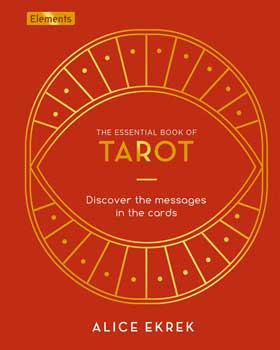
Essential Book of Tarot by Alice Ekrek: A Beginner’s Guide

Plenty of us have been there: a brand-new tarot deck sits on the shelf, the cards are beautiful, and yet the meanings feel out of reach. If you are searching for a tarot book for beginners that explains things plainly, the Essential Book of Tarot by Alice Ekrek is a hardcover guide worth a closer look.

What Is the Essential Book of Tarot?

This is a clear, approachable introduction to tarot. It explores the history of the cards and then walks the reader through how to actually use them. It is a full-color hardcover of 160 pages, measuring 5.5" x 6.5", so it is compact enough to keep beside your deck or tuck into a bag.

The book belongs to a series covering classic Mind, Body, Spirit subjects. It is a physical book, not a digital download, which many readers prefer for tarot. You can rest it open on the table while you lay out cards, flip back to a page, and make notes in your journal alongside it.

Who This Book Is For

The guide is written especially for anyone who owns a pack of tarot cards at home but feels unsure how to interpret them or where to begin. It may suit:

  • New readers who want a friendly starting point rather than a dense reference work.
  • Gift buyers looking for something thoughtful for a friend who has just picked up a deck.
  • Self-taught readers who would like to fill gaps, especially around spreads and timing.
  • Journal keepers who enjoy pairing a guidebook with their own notes and reflections.

What You Can Learn Inside

The history of the cards

Understanding where tarot came from can make the imagery feel less mysterious. The book opens up the background of the deck so you can see the cards as part of a long and evolving tradition.

A variety of spreads

A spread is simply a layout that gives each card position a particular focus. The book introduces several ways to practice, including:

  • A Relationship spread, for reflecting on connections with other people.
  • The traditional Celtic Cross, one of the best-known layouts in tarot.
  • A more modern Astrological spread, which brings the zodiac into your reading.

Trying different layouts is a lovely way to learn how the same cards can speak in different ways depending on where they fall.

Timing and reversed cards

Once you are comfortable with the basics, the book offers more detailed analysis by showing how timing and reversed (upside-down) cards work. Reversals are a topic many beginners find intimidating, so having them explained in an accessible way can be a real help. Some readers choose to use reversals and some do not; the choice is part of your personal practice.

How Readers Traditionally Use a Tarot Guide

Tarot has long been used as a tool for reflection, storytelling and intuition. A guidebook is usually a companion rather than a rulebook. Many people:

  • Pull a single card each morning and read about it before writing down their thoughts.
  • Practice one spread at a time until it feels natural.
  • Compare the book's explanations with what the images suggest to them personally.
  • Record readings in a journal or Book of Shadows to notice patterns over time.

Remember that tarot is a practice of interpretation, not a guarantee of any outcome. Treat a reading as food for thought and trust your own judgment when making decisions about your life.

What to Know Before Choosing a Tarot Guide

  • Size and format: This one is a small hardcover, which is handy for portability and for keeping with your deck.
  • Your learning style: If you like clear explanations and a mix of spreads, a general guide like this can be a comfortable fit.
  • Your deck: Most guides work with a range of decks, but imagery varies, so let your own cards inform what you read.
  • Your goals: Whether you want to read for yourself, friends, or simply understand the symbolism, a beginner-friendly book gives you a foundation to build on.

A small care note: if you like to set a calm scene for readings with candles or incense, keep flames away from your cards and book, never leave them unattended, and check that any smoke or scents are suitable for people and pets in the room.

A Gentle Place to Start

Learning tarot is a journey, and the best tarot book for beginners is the one that makes you want to sit down with your cards. With its mix of history, spreads and explanations of timing and reversals, the Essential Book of Tarot aims to turn a confusing deck into a conversation. Whether you are new to the cards or returning to them, it can be a friendly companion.

Frequently Asked Questions

Is this book suitable for complete beginners?

Yes. It is described as a clear and accessible guide, written for people who have a deck but are not sure what the cards mean or how to use them.

Does it include tarot spreads?

It covers several, including a Relationship spread, the traditional Celtic Cross and a modern Astrological spread.

Is it a physical book or a digital download?

It is a physical hardcover with 160 pages in full color. It is not a digital download.

See Essential Book of Tarot (hc) by Alice Ekrek in the shop →


Follow Rare Wiccan Spells: Facebook • Instagram • Pinterest • YouTube • eBay Store

Scroll to Top