[mxchat_chatbot floating="yes" bot_id="contentbot1"]
Screenshot-2024-01-12-11.10
Witch Store
Blog
Psychic Bob
LogIn / LogOut
Shopping Cart

Candle Magic for Beginners: Richard Webster’s Spell Book

If you have ever blown out birthday candles and made a silent wish, you have already taken your first step into this craft. Candle Magic for Beginners by Richard Webster begins with exactly that familiar moment and builds from there, guiding new readers gently into the art of working with flame, intention and ritual.

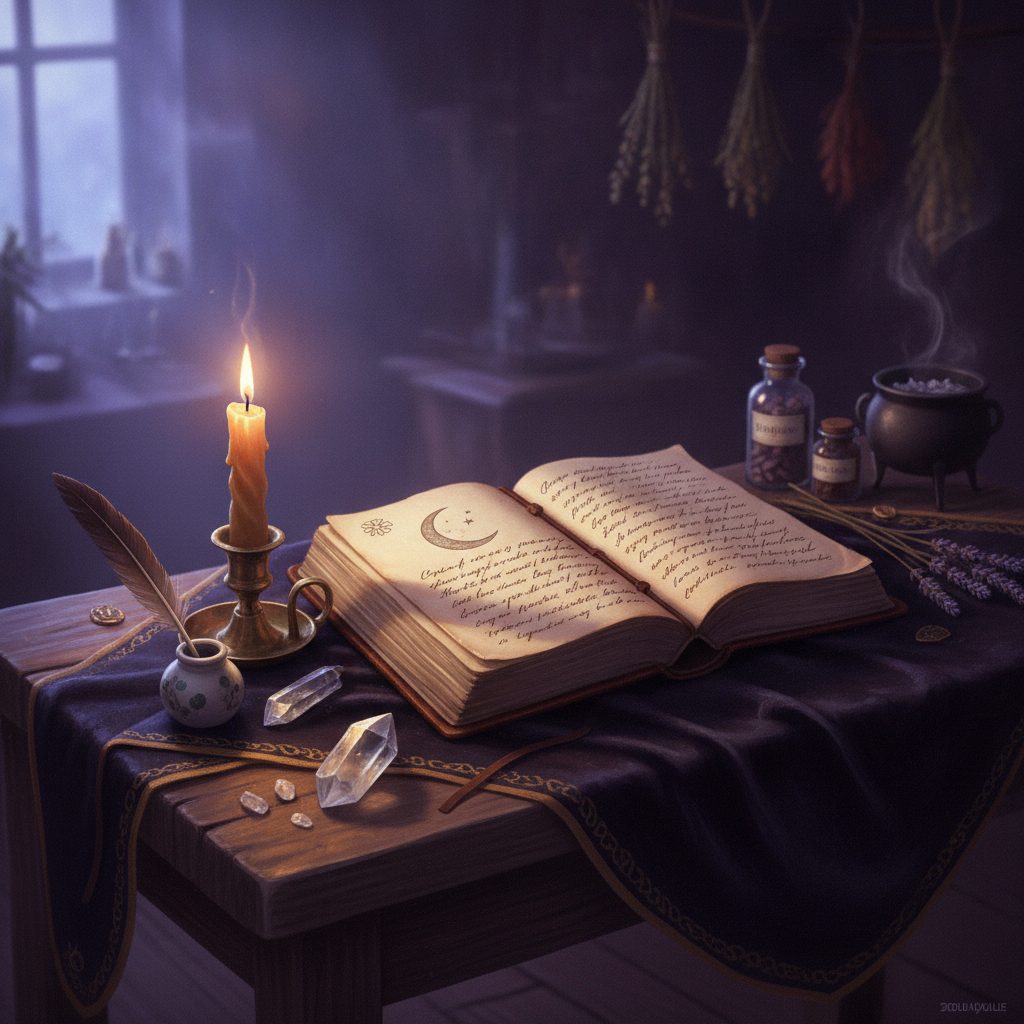
Candles burning on a witch's altar beside an open spell book, a journal and dried herbs

What Is Candle Magic for Beginners About?

This book is a candle spells book written for people who are new to the practice. Rather than starting with complicated tools or lengthy theory, the author opens with the simple, everyday act of wishing over a candle, and then shows how that idea can grow into deliberate candle work.

Inside, you will find simple candle spells and rituals, along with an approach to manifesting goals through candle work. It is a friendly, practical entry point rather than an advanced manual, which makes it a good match for anyone who feels intimidated by the sheer volume of material out there.

Who This Book Is For

The listing describes this title as good for complete beginners, and that is its heart. You may enjoy it if you are:

  • Brand new to witchcraft and want one approachable place to begin.
  • Exploring Wicca for beginners and curious about how candles fit into ritual.
  • Interested in manifesting and looking for a hands-on, symbolic method.
  • Building a personal library and wanting an easy reference for simple spellwork.

Experienced practitioners may also like having a straightforward refresher on their shelf. Sometimes returning to the basics is a lovely way to reconnect with why you started.

Why Candles Are a Classic Starting Point

Candles have been part of ceremony, prayer and celebration in many cultures for a very long time. A single flame gives you something to focus on, and many practitioners find that this focus helps them clarify what they want to work toward. Lighting a candle marks a clear beginning to your ritual, and letting it burn down (safely) offers a natural sense of completion.

Because the tools are so few, candle work is also one of the easiest ways to try wiccan spells without a full altar setup. If you would like to build one later, our guide to setting up a Wiccan altar is a good next step.

How to Use This Candle Spells Book

The product description suggests a flexible approach, and we think that is wise. Here are some ways to make this beginner's candle magic book work for you:

  • Read it straight through to get the full picture, from the simple beginnings to more purposeful ritual.
  • Dip in by topic when you have a particular goal or question in mind.
  • Mark the practices you want to try, so you can find them again quickly.
  • Record your results in a journal or your Book of Shadows, noting the date, the candle you used and how the ritual felt.
  • Keep it on your shelf as a long-term reference you can return to.

Keeping notes is one of the most valuable habits a practitioner can build. Over time, your records show you which approaches feel meaningful to you. If you are not sure how to begin, see our articles on starting a Book of Shadows and on what to record in a spell journal.

What to Know Before You Start Candle Work

Spells and rituals are traditions and personal practice. They can bring focus, comfort and a sense of purpose, but they are not guaranteed to produce any particular outcome, and we encourage you to approach them with an open and realistic mind.

A few practical points for beginners:

  • Start with one simple ritual rather than many at once.
  • Decide on your intention in clear, positive words before you light anything.
  • Gather your supplies ahead of time so you are not hunting for matches mid-ritual.
  • Choose a quiet time when you will not be interrupted.

Candle and Fire Safety

Always burn candles on a heatproof, stable surface, away from curtains, papers and anything flammable. Never leave a flame unattended, keep candles out of reach of children and pets, and extinguish them fully before you leave the room or go to sleep. If you add scented candles, oils or herbs, check for allergies and sensitivities first, and ask a healthcare professional if you are pregnant or have breathing concerns.

Is This Book Right for You?

If you want a gentle, unintimidating introduction to candle magic for beginners, a book that treats the craft as something anyone can try, this is a lovely choice. You can find it in our Books & Journals category, and you can learn more about Richard Webster's candle spells book here. It is a physical book, not a digital download, so it is ready to sit on your altar shelf beside your other favorite references.

Pair it with a journal, a few candles and an afternoon of quiet curiosity, and you have everything you need to begin. When you are ready, visit the product page to take a closer look.

Frequently Asked Questions

Is Candle Magic for Beginners suitable if I have never cast a spell?

Yes. It is described as good for complete beginners and opens with the familiar idea of making a wish over birthday candles before moving into simple spells and rituals.

Is this a digital download?

No. It is a physical book, so you can keep it on your shelf, mark pages and use it alongside your journal.

How should I keep track of my candle work?

Many practitioners note the date, intention, candle and their impressions in a journal or Book of Shadows, then review those notes later to see what felt meaningful.

See Candle Magic for Beginners by Richard Webster – Candle Spells Book in the shop →


Follow Rare Wiccan Spells: Facebook • Instagram • Pinterest • YouTube • eBay Store
Spell Journal Ideas: What to Record and Why It Matters

A spell journal is one of the most quietly powerful tools a practitioner can keep. It does not need to be beautiful or perfectly organized. It simply needs to hold an honest record of what you did, why you did it, and what you noticed afterward. Whether you are brand new to the craft or have practiced for decades, keeping notes helps you learn from your own experience instead of relying only on memory.

Below, we walk through what to record, why it matters, and a few gentle ways to keep your notes useful over time.

Why Keep a Spell Journal at All?

Many traditions encourage practitioners to keep a written record of their work. Some people call theirs a book of shadows, others a grimoire, and others simply a notebook. The name matters less than the habit. Here is why so many witches swear by it:

  • Memory is unreliable. A ritual that felt vivid on the night often blurs within weeks.
  • Patterns emerge. Over months, you may notice which moon phases, herbs or times of day feel most supportive to you.
  • Refinement becomes possible. You can adjust wording, tools or timing based on what you wrote down.
  • It builds a personal tradition. Your notes become a record of your own path, in your own words.

It is worth remembering that spellwork is a personal practice, not a guarantee. A journal helps you reflect honestly rather than hoping for specific outcomes.

What to Record After Each Working

You do not need to capture everything. Start with the essentials and add more as your practice grows.

The Basics: Date, Time and Moon Phase

Write the date and approximate time, along with the moon phase and, if you like, the day of the week. Many practitioners also note the season or the nearest sabbat. Over time these small details can reveal rhythms in your practice that you would otherwise miss.

Your Intention

Write your intention in one clear sentence. Vague notes like "for good things" are hard to reflect on later. Something specific, such as "to invite calm before a difficult conversation," gives you a clearer starting point to look back on.

Tools and Ingredients

List the candles, herbs, crystals, oils, cards or other ritual tools you used, plus any substitutions you made. Substitutions are especially useful to record, because they teach you what you can adapt when you are missing something.

Safety note: When you record herbs, oils or smoke, add a line about any sensitivities. Some plants and essential oils can irritate skin or affect pregnant people and pets, and burning candles or incense should always be attended and kept away from flammable items. If you are unsure about an ingredient, check with a qualified professional before using it.

The Steps You Took

Briefly describe what you did, in order: how you cleansed your space, what you said, how you closed. If you wrote or adapted the words yourself, copy them down exactly. If you want help shaping your own wording, our post on how to write your own spell is a good companion.

What You Noticed

This is the heart of the entry. Record how you felt before, during and after. Note any images, thoughts, dreams, sensations or synchronicities, and be willing to write down when nothing seemed to happen. Honest notes are far more valuable than flattering ones.

Follow-Up Notes

Leave a little space to return a week, a month or a season later. Add what has changed in your life, or what has not. Treat these as observations, not proof. Many things influence our lives, and a good journal holds that nuance gently.

Simple Entry Template You Can Copy

  • Date, time and moon phase
  • Intention in one sentence
  • Tools and ingredients, including substitutions
  • Method and exact words used
  • Experience during and after
  • Follow-up reflections, added later

Choosing a Format That Suits You

There is no wrong container. Some witches love a hand-bound volume that feels sacred every time they open it. Others prefer a loose-leaf binder so pages can be reorganized, or a digital document that is easy to search. If you like structure, printable spell pages can give each entry a consistent layout. If you want something lasting, handmade Books of Shadows offer a keepsake to fill over the years.

A helpful approach is to keep a rough notebook for quick notes right after a ritual, then copy your favorite workings into a neater book later. That way the first draft stays honest and the final copy stays tidy.

Tips for Making the Habit Stick

  • Write within a day of your ritual while details are fresh.
  • Keep your pen and journal near your altar so it becomes part of closing the rite.
  • Do not worry about neatness, spelling or style.
  • Review your entries on each new moon or at each sabbat.
  • Include sketches, pressed leaves (dried and flat), or tarot card pulls if they speak to you.

Keeping a Spell Journal as You Grow

As your practice changes, your journal will too. Early entries might read like careful recipes, while later ones become more intuitive and poetic. That evolution is part of the value. Looking back, you will see a practitioner learning to trust their own voice. A consistent spell journal is, in the end, a conversation between who you were and who you are becoming.

If you are ready to start or upgrade your record-keeping, we invite you to browse our shop for Wiccan and witchcraft books and other tools to support your path.

Frequently Asked Questions

Is a spell journal the same as a book of shadows?

They overlap, but they are not always identical. Many people use a book of shadows for spells, correspondences and lessons they want to keep, and a separate journal for day-to-day notes and reflections. Others combine both in a single book. Do whatever feels natural.

Should I record spells that did not seem to work?

Yes. Notes on quiet or unclear results are just as useful as notes on memorable ones. They help you adjust your approach and stay honest about your experience.

How often should I write in my journal?

Write after each ritual or spell, and consider a short weekly or monthly review. Even a few lines is enough to build a useful record.


Follow Rare Wiccan Spells: Facebook • Instagram • Pinterest • YouTube • eBay Store

Scroll to Top