[mxchat_chatbot floating="yes" bot_id="contentbot1"]
Screenshot-2024-01-12-11.10
Witch Store
Blog
Psychic Bob
LogIn / LogOut
Shopping Cart

Arrowhead Amulet Pendant: A Charm for Protection and Courage

If you are looking for an arrowhead amulet pendant to wear close to you, our Arrowhead Amulet Pendant is a simple, meaningful place to start. At about 1 1/4 inches, it is a small charm built around a symbol that people have long associated with protection, strength and courage. In this spotlight we look at what the arrowhead stands for, how it is traditionally used, and what to think about before you choose one.

Arrowhead pendant on a candlelit altar beside a mojo bag, rosemary sprig and stone

What Is an Arrowhead Amulet?

An amulet is an object carried or worn because of the meaning and intention placed in it. Many practitioners see amulets as quiet companions: small reminders of the qualities you want to bring into your day. The arrowhead is one of the most recognisable shapes in this category. It is pointed, direct and purposeful, so it is easy to understand why it became a symbol of defence, resolve and bravery.

Our pendant keeps things plain. It is a single pendant shape with no fuss, which makes it easy to wear with everyday clothes and easy to fit into the rest of your practice. It sits comfortably among the other pieces in our amulets and talismans collection.

What the Arrowhead Symbolises

People often connect the arrowhead with three themes:

  • Protection: a pointed shape that suggests guarding your boundaries and personal space.
  • Strength: a steady, grounded sense of resilience when things feel heavy.
  • Courage: the willingness to move forward, speak up or begin something new.

As with any symbol, the meaning you give it matters most. Your own intention is what turns a pretty pendant into a personal charm.

Who This Pendant Is For

The Arrowhead Amulet Pendant suits a range of people and uses:

  • Anyone building protection and courage charms for daily life.
  • Those who like an everyday amulet necklace that looks understated.
  • Practitioners who make mojo bags or dress an altar with symbolic pieces.
  • Gift givers shopping for someone who loves nature-themed or Native-inspired jewelry.

It is also a friendly choice for beginners. There are no complicated rules to learn, just a clear symbol and a simple way to work with it.

How to Use an Arrowhead Amulet Pendant

There are many ways to work with a charm like this. Here are three simple, traditional approaches.

Wear it

Thread the pendant onto a cord or chain and wear it. Keeping it near your chest or throat is a popular choice, as it becomes a constant reminder of your intention throughout the day.

Hold it with intention

Before an important conversation, a new challenge or a moment when you need steadiness, hold the pendant in your hand. Take a few slow breaths and set an intention for courage or protection. Say it aloud or silently, whichever feels right to you.

Carry it or add it to a charm bag

If you would rather not wear jewelry, slip the pendant in a pocket or place it in a mojo bag or charm bag with other items that match your purpose. You can also rest it on your altar as a focal point for protective work, alongside your other ritual tools.

What to Know Before You Choose One

A few practical points can help you decide whether this amulet fits your needs:

  • Size: the pendant measures approximately 1 1/4 inches, a modest size that works as a subtle accent rather than a statement piece.
  • Style: it is a pendant, so you will need your own cord or chain to wear it. Choose a length that sits where you want the charm to rest.
  • Intention: decide ahead of time what you want it to represent, whether protection, courage or strength, so your practice with it feels focused.
  • Respect: because the arrowhead is a symbol with deep cultural roots, approach it with thoughtfulness and honour its origins in how you speak about and use it.

You can view the full details on the arrowhead amulet product page.

Caring for Your Amulet and Staying Safe

Many practitioners like to cleanse a new amulet before first use, perhaps by passing it through incense smoke, resting it in moonlight or simply holding it and setting a fresh intention. If you use smoke or candles, keep flames away from flammable items, never leave them unattended, and take care around pets, children and anyone with allergies or breathing sensitivities. If you are pregnant or have a health concern, check with a professional before using herbs or smoke. If you have sensitive skin, pay attention to how any jewelry feels when worn against it.

An amulet is a tool for focus and personal meaning. It is a tradition and a personal practice, not a guarantee of any outcome, and it works best alongside good judgement and sensible everyday precautions.

Final Thoughts

A small pendant can carry a lot of meaning when you give it purpose. Whether you wear it daily, tuck it into a charm bag or place it on your altar, the Arrowhead Amulet Pendant offers a simple way to keep protection, strength and courage close at hand.

Frequently Asked Questions

What does an arrowhead amulet mean?

It is traditionally linked with protection, strength and courage. The pointed shape suggests defence and forward movement, though you can also give it your own personal meaning.

How do I wear or carry an arrowhead pendant?

Thread it onto a cord or chain and wear it, or keep it in a pocket or charm bag. Many people also hold it while setting an intention for courage or protection.

Can I use it in a mojo bag or on an altar?

Yes. Small amulets like this are commonly added to mojo bags and charm bags or placed on an altar as a symbol of protection and courage.

See Arrowhead Amulet Pendant – Protection, Strength & Courage Charm, 1 1/4" in the shop →


Follow Rare Wiccan Spells: Facebook • Instagram • Pinterest • YouTube • eBay Store
Wicca, Witchcraft and Paganism: What Is the Difference?

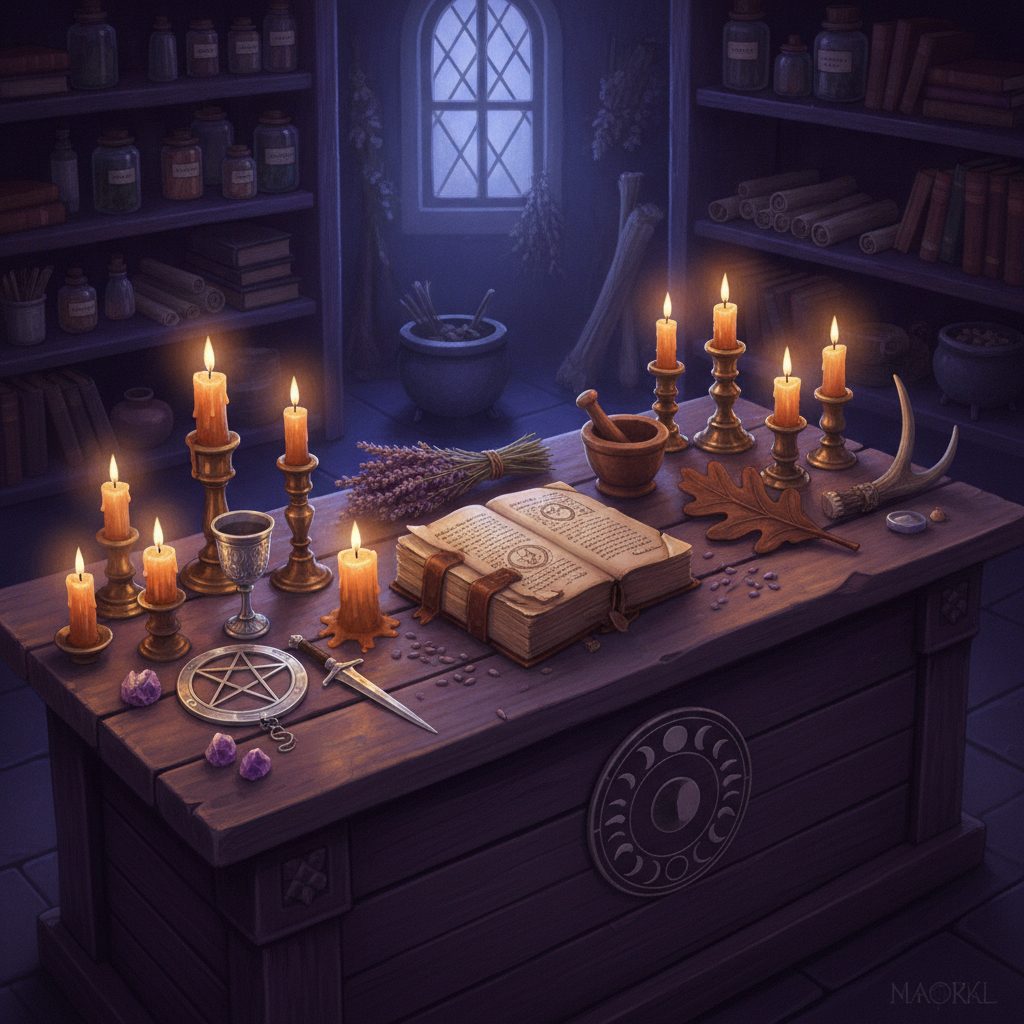
If you have ever searched for Wicca vs witchcraft, you have probably found answers that contradict each other. That is because these three words, Wicca, witchcraft and paganism, are used in many different ways, and they overlap in interesting places. Here at Rare Wiccan Spells, we hear this question all the time, so let us untangle it together in plain language.

The short version: paganism is a broad umbrella, Wicca is one specific religion under it, and witchcraft is a practice that people from many religions (or none) may follow.

What Is Paganism?

Paganism is a wide umbrella term for spiritual paths that are often nature-centered, honor multiple deities or the divine in nature, or draw on pre-Christian traditions. It describes a family of faiths rather than a single belief system.

Paths people often place under this umbrella include:

  • Wicca
  • Druidry
  • Heathenry and Norse-inspired paths
  • Hellenic, Roman and Kemetic reconstructionism
  • Eclectic and nature-based spirituality

Not every pagan practices magic, and not every pagan calls themselves a witch. Many simply celebrate the seasons, honor their gods and walk in nature as an act of devotion.

What Is Wicca?

Wicca is a modern religion that was publicly introduced in the mid-twentieth century in England and later spread around the world. It is a recognized spiritual path with shared themes, though practices vary between traditions.

Common features of Wicca include:

  • Reverence for a Goddess and a God, often seen as balanced and complementary
  • Celebration of the eight seasonal festivals known as the Wheel of the Year
  • Honoring the phases of the Moon through esbats
  • Ethical guidelines, such as the Wiccan Rede, which many follow as "harm none"
  • Ritual work, often involving casting a circle and calling the elements

Some Wiccans belong to structured traditions with initiation and covens, while many practice alone as solitary Wiccans. If you are curious about starting out, a search for Wicca for beginners will show how welcoming and varied this path can be.

What Is Witchcraft?

Witchcraft is, at heart, a craft: a set of practices that may include spellwork, herbalism, divination, charm-making and working with the cycles of nature. It is a skill set and a way of engaging with the world, not automatically a religion.

This is why you will meet witches of many backgrounds. Some are Wiccan. Some are pagan of other kinds. Some are Christian, Jewish, Buddhist, agnostic or atheist, and use witchcraft as a personal, cultural or creative practice. Folk magic traditions around the world also have their own histories and deserve to be learned on their own terms.

Wicca vs Witchcraft: The Key Differences

Religion or practice?

Wicca is a religion with beliefs, festivals and ethics. Witchcraft is a practice that can sit inside a religion or stand alone.

Structure

Wicca tends to have recognizable frameworks, such as the Wheel of the Year and the Goddess and God. Witchcraft can be as structured or as freeform as the practitioner wishes.

Belief

A Wiccan usually honors deity. A witch may work with deities, spirits, ancestors, energy, or simply with symbolism and intention.

A handy way to remember it

  • All Wiccans who cast spells are practicing witchcraft.
  • Not all witches are Wiccan.
  • Wicca is one pagan religion, but paganism is much larger than Wicca.

Where They Overlap

Many people sit in the overlap. A Wiccan witch, for example, may follow the Wheel of the Year, work with the Goddess and God, and also keep a book of shadows filled with spells and notes. A solitary eclectic pagan may celebrate Samhain, practice herbalism and not use the word Wicca at all. Neither is wrong. Labels are tools for understanding, not tests you must pass.

How to Find Your Own Path

If you are just starting out, there is no need to pick a label on day one. A few gentle steps can help:

  • Read widely. Explore several traditions before settling anywhere. Our selection of Wiccan and witchcraft books is a good place to browse.
  • Notice what resonates. Do you feel drawn to deity, to nature, to herbs, to divination, to ancestors?
  • Keep a record. A journal or handmade Book of Shadows lets you track what you try and how it feels.
  • Respect origins. Some practices belong to living cultures and closed traditions. Learn where things come from before borrowing them.
  • Practice at your own pace. Simple acts like lighting a candle or marking a moon phase count.

Safety note: If you begin working with candles, herbs, incense or smoke, never leave a flame unattended, keep them away from pets and children, and check for allergies. If you are pregnant, nursing or taking medication, speak with a qualified professional before using herbs or oils.

So, Which One Are You?

You might be a pagan who does not practice magic, a witch who is not religious, a Wiccan, or something that does not fit neatly into a box. Understanding the difference between Wicca, witchcraft and paganism simply helps you ask better questions and find the community and resources that suit you.

When you are ready to explore, we would love to help. Browse our witchcraft supplies and the rest of the shop for tools, books and inspiration to support your journey.

Frequently Asked Questions

Do you have to be Wiccan to be a witch?

No. Witchcraft is a practice that people of many faiths, or none, can follow. Wicca is a specific religion, and while many Wiccans practice witchcraft, the two are not the same thing.

Is Wicca a type of paganism?

Yes. Wicca is generally considered a modern pagan religion, one of many paths under the wider pagan umbrella.

Can I practice witchcraft without worshipping any deity?

Yes. Many practitioners work with intention, nature, symbolism and personal ritual without worshipping a god or goddess. Others choose to work with deity. It is a personal decision.


Follow Rare Wiccan Spells: Facebook • Instagram • Pinterest • YouTube • eBay Store

Scroll to Top