[mxchat_chatbot floating="yes" bot_id="contentbot1"]
Screenshot-2024-01-12-11.10
Witch Store
Blog
Psychic Bob
LogIn / LogOut
Shopping Cart

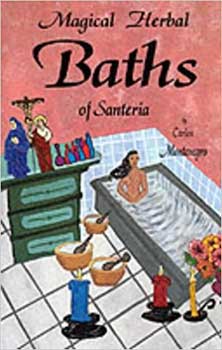
Santeria Herbal Baths Book by Carlos Montenegro

If you have ever wondered how spiritual baths are prepared in Santería, Magical Herbal Baths of Santería by Carlos Montenegro is a book worth knowing about. This spotlight explains what the book covers, who may enjoy it, and how to bring it into your studies. The topic of Santeria herbal baths is rich and deeply rooted in tradition, so a good written reference can be a welcome companion.

Open book beside a basin of water with floating herbs, jars of dried herbs and oils on a candlelit table

What This Book Is About

The book explores how traditional spiritual baths are made and used within Santería. The author comes from a family that has practiced Santería for more than 200 years, which gives the material a perspective grounded in lived tradition rather than casual interest.

Rather than being a single narrow guide, it gathers several kinds of bath work in one place. You can find out more about the book on its product page. It is a physical book, not a digital download, so it is something you can hold, mark up and keep on your shelf.

Topics You Will Find Inside

According to the product details, the book is a good fit for readers interested in a range of bath traditions:

  • Orisha baths connected to Santería practice
  • Love and money baths for those curious about attraction and prosperity traditions
  • Cleansing baths and sweet baths
  • Palo Mayombe and Mexican witchcraft baths, offering a wider look at related folk traditions
  • Lists of herbs, oils and powders used in preparing baths

That mix makes it useful for comparing approaches and seeing how different traditions use plants and ingredients with their own intentions.

Who Is This Book For?

This title may suit several kinds of readers:

  • Students of folk magic and Afro-Caribbean-influenced traditions who want to read further
  • Witches and Wiccans who enjoy ritual baths and want to understand the wider history of the practice
  • Collectors of reference books who like to build a well-rounded magical library
  • Curious beginners who want a topic-based book they can browse at their own pace

If you are new to the subject, remember that Santería is a living religion with its own initiations, teachers and community. Reading respectfully, and being clear about what is study versus what belongs to initiated practice, is always a thoughtful approach. If you are exploring more general bath work first, our guide to ritual baths covers the basics of tradition, herbs and safety.

How to Use a Spiritual Bath Reference

The product description suggests a few flexible ways to work with the book, and they translate well to any magical reference:

Read it through, or dip in by topic

You can read from beginning to end to get the full picture, or jump straight to the section that matches your interest, such as cleansing or sweet baths. Many readers do both, reading once for understanding and returning later for specifics.

Mark what you want to try

Use sticky tabs or a pencil to flag the practices that call to you. Then note your observations in a journal or Book of Shadows: the date, the moon phase, what you prepared, and how the experience felt. Over time those notes become your own personal record. You can pick up a copy of this Santería bath book to start building that habit.

Keep it as a reference

A book like this earns its place on the shelf beside your herb guides and spellbooks. Having ingredient lists at hand makes it easier to compare traditions and plan thoughtfully.

What to Know Before You Choose It

  • It is a study and tradition resource. The information is shared for learning and cultural understanding.
  • It is not medical guidance. Herbal and spiritual information is not a substitute for professional medical care.
  • Respect matters. Approach Orisha and Palo Mayombe material with humility and avoid treating it as costume or trend.

Safety Notes for Herbal Baths

Before trying any herbal bath, take a few sensible precautions. Herbs, oils and powders can irritate skin or trigger allergies, so patch test first and avoid anything you know you react to. Essential oils should never be used undiluted, and some herbs are not suitable during pregnancy or around young children and pets. If you have a health condition, sensitive skin or take medication, check with a doctor or qualified professional first. Never leave candles unattended near a bathtub, and take care with slippery floors.

A Thoughtful Addition to Your Library

For anyone curious about Santeria herbal baths and the traditions around them, this book offers a family-rooted, topic-by-topic reference you can read, annotate and return to again. Whether you collect it for study or to inspire your own journaling, you can find it here: Magical Herbal Baths of Santería by Carlos Montenegro.

Frequently Asked Questions

Who is Carlos Montenegro?

He is the author of this book. The product information notes that the Montenegro family has practiced Santería for more than 200 years.

Is this book a digital download?

No. It is a physical book from the Books category of our shop.

Does the book cover traditions beyond Santería?

Yes. Besides Orisha baths and love, money, cleansing and sweet baths, it also includes Palo Mayombe and Mexican witchcraft baths, along with lists of herbs, oils and powders.

See Magical Herbal Baths of Santeria by Carlos Montenegro in the shop →


Follow Rare Wiccan Spells: Facebook • Instagram • Pinterest • YouTube • eBay Store
How to Set Up a Wiccan Altar: Tools and Layout Ideas

If you have been wondering where to begin with a Wiccan altar setup, the good news is that you need far less than you might think. An altar is simply a dedicated space where you focus your intention, practice your craft and connect with what you hold sacred. It can be a whole table, a shelf or a small tray tucked on a windowsill. Here is how to choose a spot, gather your tools and arrange everything in a way that feels like yours.

What an Altar Is (and Is Not)

In Wicca and many witchcraft traditions, an altar is a working and devotional space. Some practitioners use it for spellwork, some for meditation and offerings, and many for both. There is no single correct design. Traditions differ, and personal practice matters most.

You do not need expensive items or a perfect arrangement. A clean surface, a little intention and a few meaningful objects are enough to begin.

Choosing the Right Place

Think about how you will actually use the space. A beautiful altar you cannot reach comfortably will gather dust.

  • Privacy: Pick somewhere you will not be interrupted often, such as a bedroom corner, a bookshelf or a quiet nook.
  • Stability: Choose a steady surface, especially if you will use candles.
  • Size: A small altar is perfectly valid. Portable options, like a box or tray you can set out and put away, suit shared homes well.
  • Direction: Some practitioners face north, east or another direction that matches their tradition. Others simply choose what feels right.

Safety note: Keep your altar away from curtains, papers and anything flammable. If you share your home with pets or children, place candles, incense and small objects well out of reach.

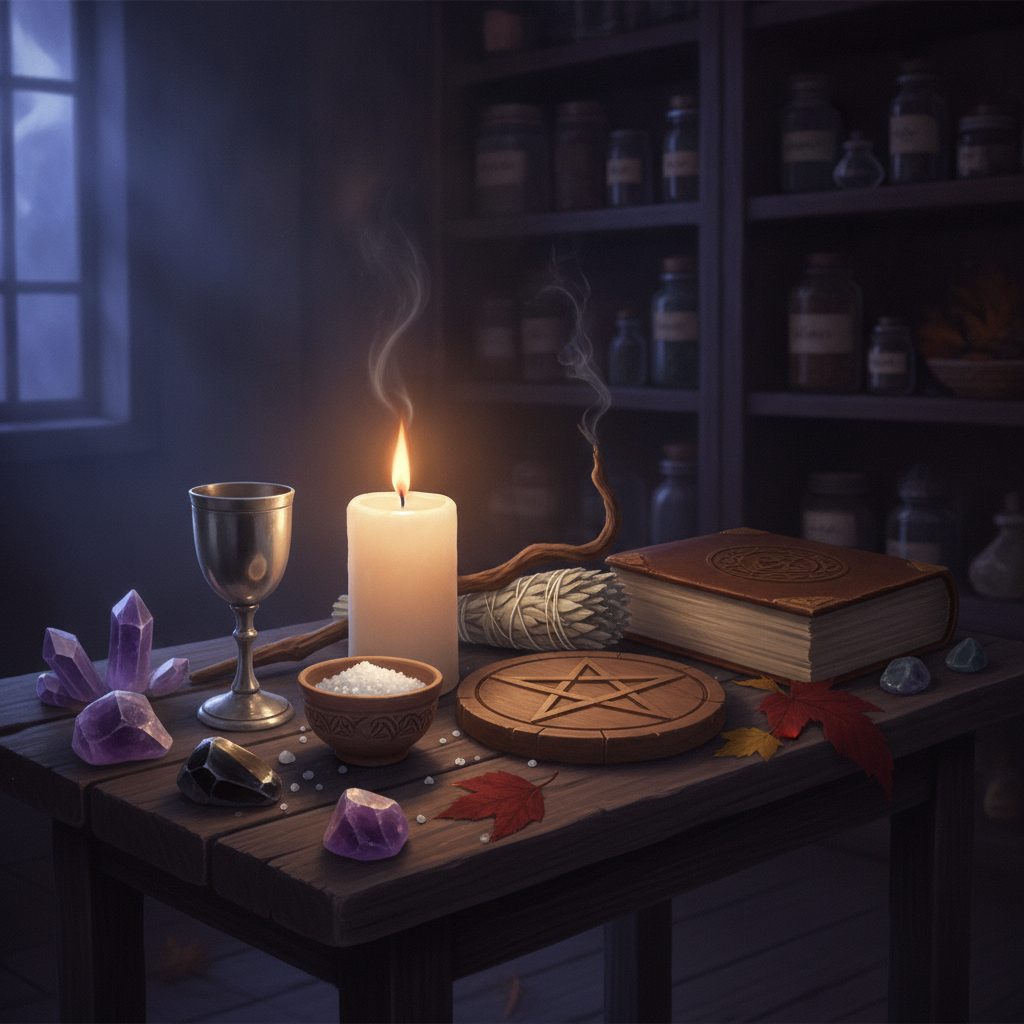
Essential Ritual Tools for a First Altar

Many traditions use a set of classic ritual tools. You can collect them slowly rather than all at once.

The Classic Tools

  • Candles: Often used to represent fire, light and focus. Colors are chosen by intention.
  • Chalice or cup: Commonly associated with water and receptivity.
  • Athame or wand: Used symbolically to direct energy. Many beginners choose a wand or simply a pointing finger, since an athame is traditionally not used to cut physical things.
  • Pentacle: A disc or plate marked with a five-pointed star, often linked with earth and grounding.
  • Incense or bundled herbs: Often linked with air and used for cleansing the space.
  • Bowl of salt or water: Traditional for purification and blessing.

Personal and Optional Items

  • A small statue, image or symbol of a deity, ancestor or nature spirit, if that fits your path
  • Crystals, stones, shells or feathers you have gathered
  • Seasonal touches such as flowers, acorns or sprigs of herbs
  • A tarot card or oracle card that reflects your current focus
  • A book of shadows or journal to record your practice

Safety note: Some herbs, essential oils and smoke can irritate skin or lungs, and certain plants are unsafe for pets or during pregnancy. Ventilate the room, check ingredients for allergies and speak with a qualified professional if you have any health concerns.

A Simple Altar Layout to Try

One widely used arrangement places the elements around the space. Treat this as a starting point and adjust it freely.

  • Back center: Your focal point, such as a statue, image or central candle.
  • Left side: A candle or candles, often representing the God or masculine energy in some Wiccan traditions.
  • Right side: A candle or chalice, often representing the Goddess or feminine energy.
  • Front center: Your pentacle or working area for spells and offerings.
  • Corners or edges: Items for the four elements, such as salt for earth, incense for air, a candle for fire and water in a bowl.

If you follow a different tradition, or none in particular, arrange items in the way that makes sense to you. Symmetry is not required.

Consecrating and Caring for Your Space

Many practitioners cleanse the area before first use. This might mean wiping the surface, opening a window, passing smoke or sound over it, or simply stating your intention aloud. Do whatever fits your tradition and comfort level.

Once your altar is established, tend it regularly. Dust it, replace wilted flowers, trim candle wicks and refresh items with the seasons. A cared-for altar often feels more inviting to sit at.

Keeping Your Wiccan Altar Setup Personal

The most meaningful altars grow slowly. Start with three or four items and add only what you will genuinely use. Over time, your wiccan altar setup will reflect your path, the seasons you celebrate and the practices you return to.

Explore the Shop

When you are ready to build your collection, you can browse our witchcraft supplies for candles and altar essentials, look at amulets and talismans for symbolic pieces, or find a handmade Book of Shadows to keep beside your altar. We are always happy to have you here.

Frequently Asked Questions

What do I need to set up my first altar?

Very little. A clean surface, a candle in a safe holder and one or two objects that are meaningful to you are enough. Add ritual tools gradually as your practice develops.

Does a Wiccan altar need to face a certain direction?

Not necessarily. Some traditions favor north, east or another direction, while many solitary practitioners choose whatever location is practical and feels right.

Can I have an altar in a small space or shared home?

Yes. Many witches use a shelf, a tray or a box that can be tucked away. What matters is your intention and respect for the space, not its size.


Follow Rare Wiccan Spells: Facebook • Instagram • Pinterest • YouTube • eBay Store

Scroll to Top